

Sixth episode of a nine-episode series on the weight of politics in the success of a product. The first three showed that no market-leading product escapes the envelope drawn by the state; the fourth pushed open the door of the room where that rule is written; the fifth showed that nobody gets in unless others have signed for them. This one crosses the threshold of the company, where it is decided which product will live, and who will go and defend it in that room.

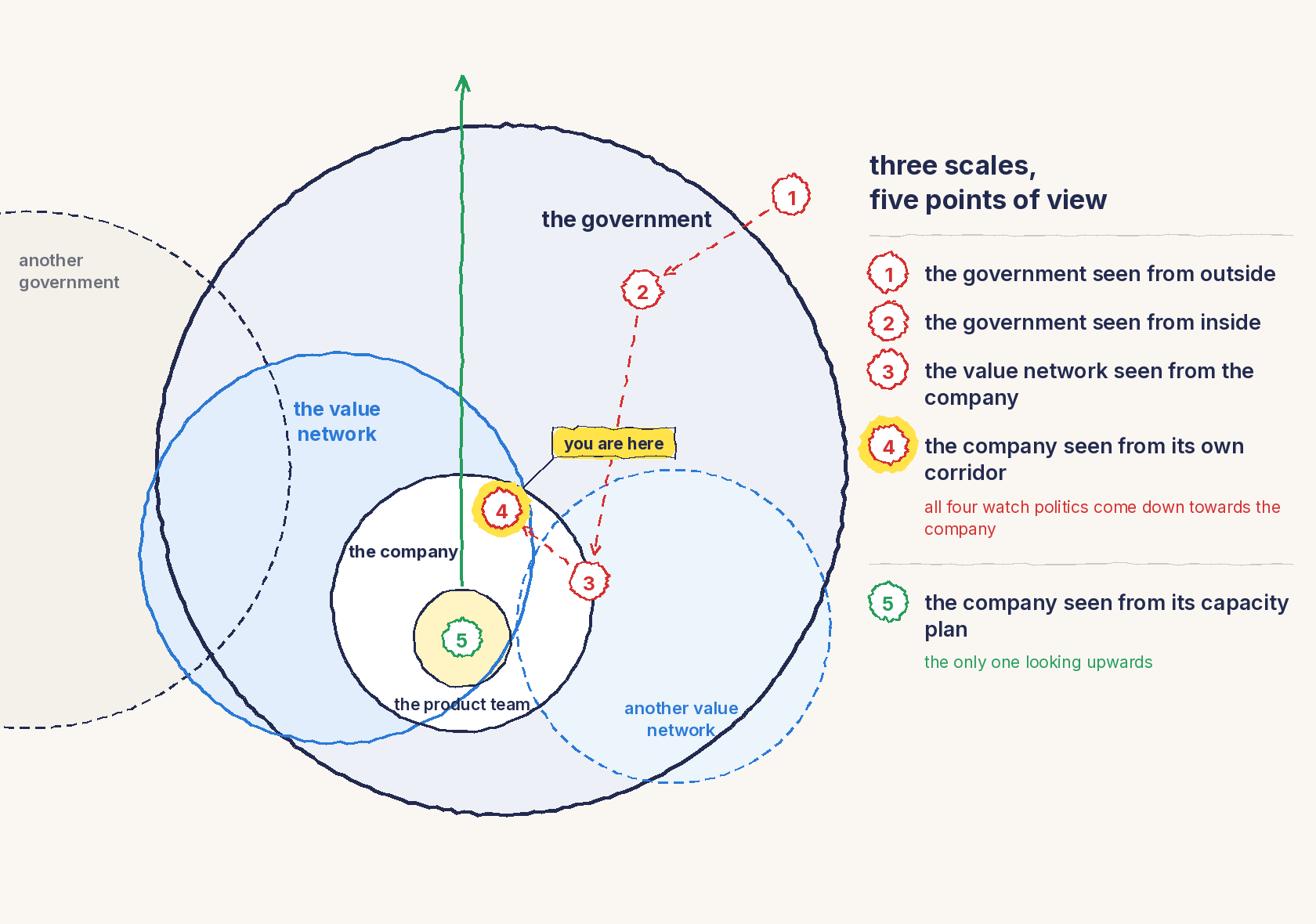
The Brussels corridor
In the spring of 1987, on the sidelines of a technical conference in Brussels, a senior British civil servant decides to say more than he should.


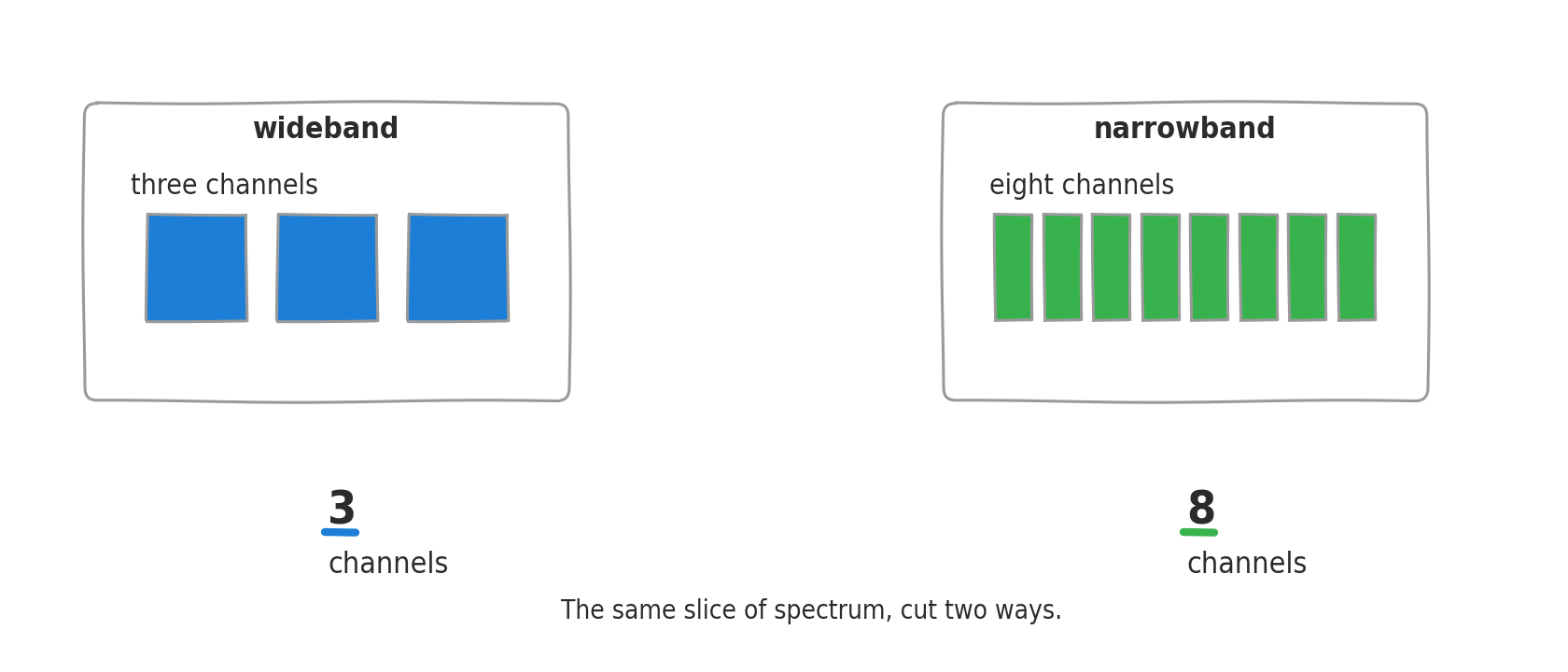
Stephen Temple represents the British Department of Trade and Industry in the negotiation meant to give Europe a common digital mobile telephone. He has just argued, before a packed room, for the radio solution London supports, known as narrowband, against the one France and Germany have been defending for months, known as wideband. The two terms describe two ways of sharing the same slice of frequencies between calls: a few wide channels, or many narrow ones. In the corridors, Temple runs into Philippe Glotin, who heads mobile radio communications at Alcatel, the large French telecommunications equipment maker and the main champion of wideband.
Temple holds a piece of information that Glotin perhaps only suspects. A few days earlier, his minister, Geoffrey Pattie, spoke on the telephone with his German counterpart, Christian Schwarz-Schilling. The German minister told him in confidence that he now preferred narrowband, but would not say so publicly yet, out of regard for his French colleague. Germany, the only country still defending wideband alongside France, is therefore about to change sides.
Nothing obliges Temple to hand this ministerial confidence to the executive of a foreign manufacturer, and he knows the risk he is taking. He passes it on all the same, in detail, convinced, he writes later, that he made the right decision.
Glotin replies that he suspected as much. He then adds a detail that Temple takes care to record: inside the Alcatel group itself, the German subsidiary, SEL, is presenting the situation in a far more favorable light, and assures everyone that it will bring the German government back to wideband.
The very next day, Glotin sends his report to his management: support for narrowband, he writes, is overwhelming. Alcatel then gives up the technology it has been developing for nearly three years, even though its decision will only become known several weeks later.
Nothing in this scene resembles what is usually called lobbying, that is, a company’s effort to weigh on a public decision. No minister is approached, no argument is pleaded. An executive comes back from a trip and tells his own house that it has lost. The decisive clash of that spring does not set Alcatel against its Scandinavian competitors: it sets Glotin, inside the same group, against the German subsidiary that was claiming the opposite.
Two months earlier, though, the same company had decided the other way: on a Friday evening in February, it had gotten the French government to impose wideband on its delegation. In April, through Glotin, it undoes what it had obtained. Between those two dates, not one parameter of the technology changed; only the person speaking for the company did.
The product is decided at home first
A company never speaks for itself. Women and men speak in its name, in technical committees, public consultations and trade associations, because someone inside the house gave them the right to. And before they even take the floor, others have decided which product deserved to be defended outside, and with what means.
These decisions are taken in nameless meetings, in front of spreadsheets where the budget line rarely carries the word influence. Yet they shape the product as surely as a specification does: in them you see a technology abandoned, a service born of funding that came from elsewhere, a piece of flight software presented to the authorities in a way that would not draw their attention. Of all the scales this series travels through, the company is the last, and the only one within your reach.
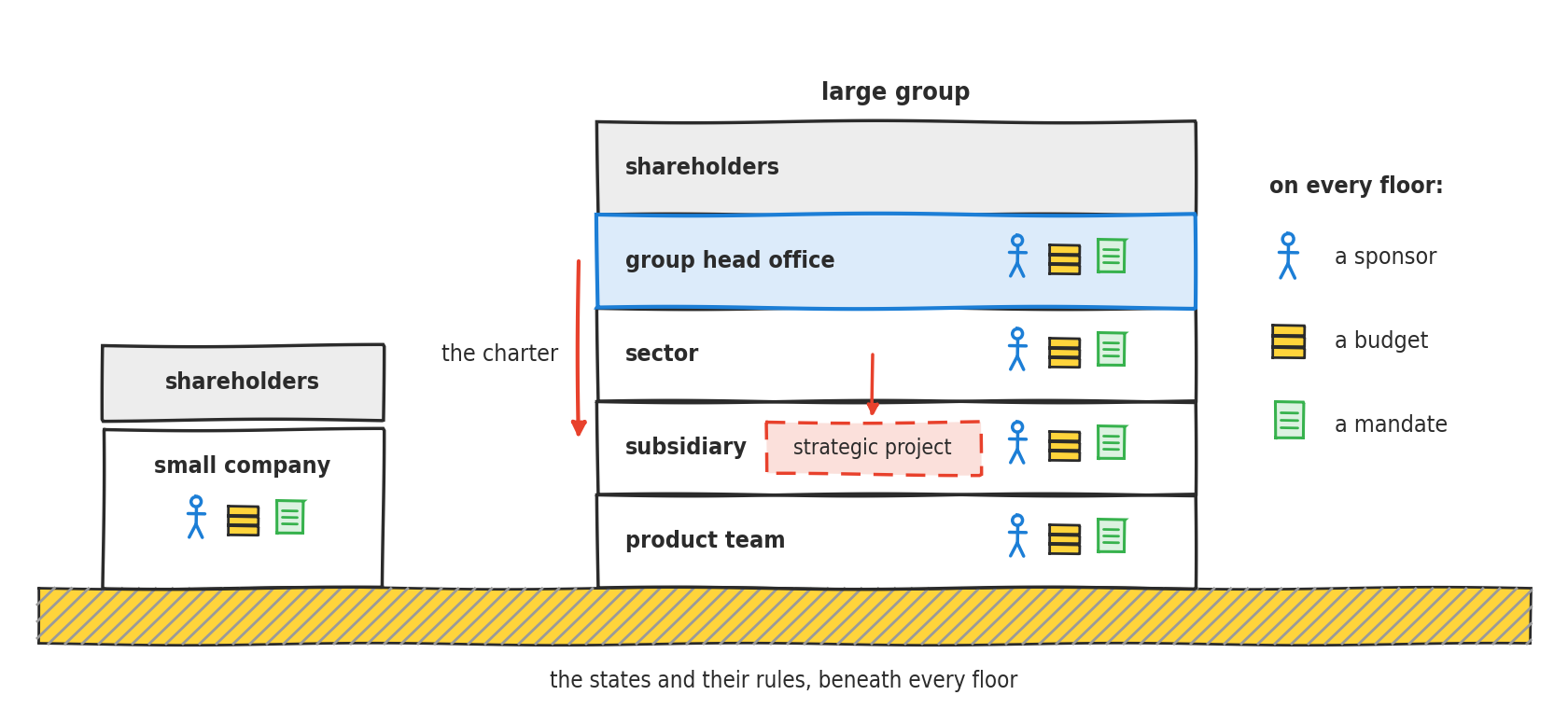
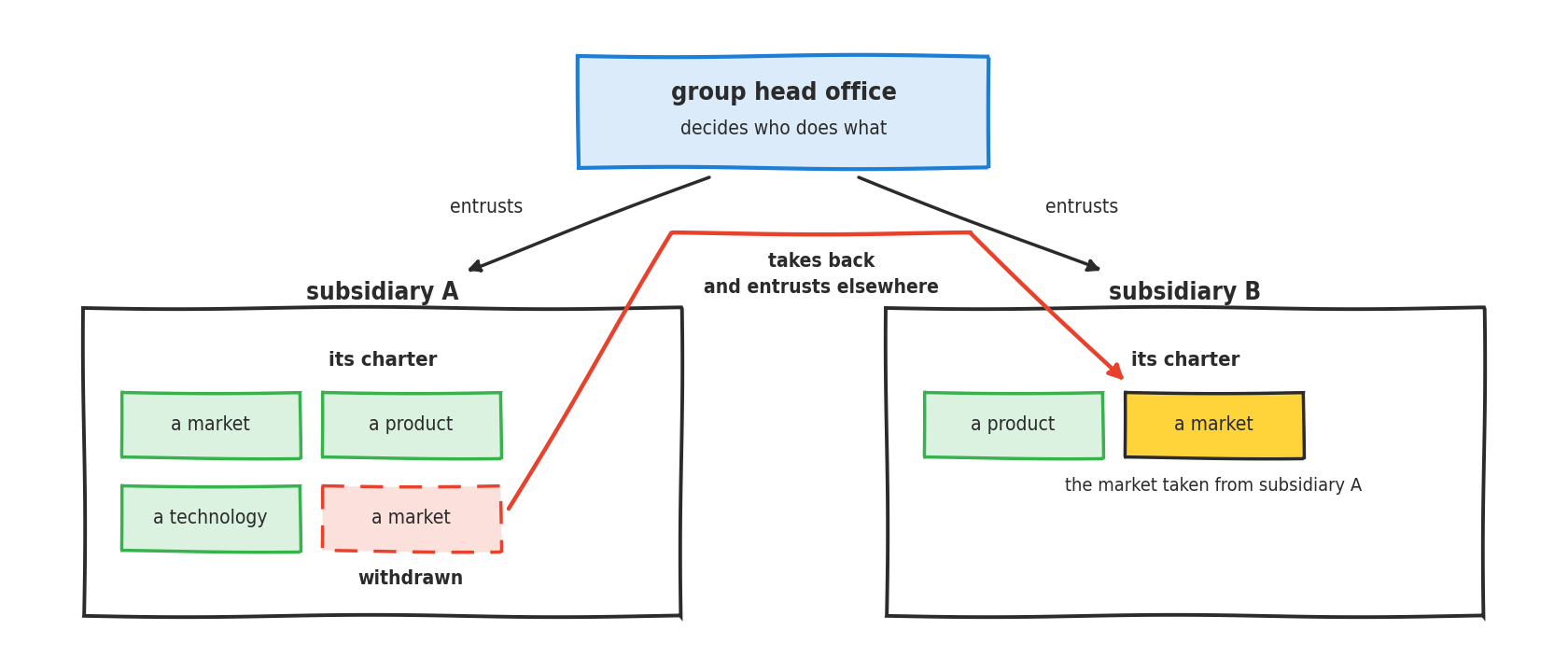
You still have to know what “at home” means. In a small company, the house fits in one building. In a large group, it is made of nested floors: a head office, sectors, subsidiaries, divisions, each with its own management, its own budget and its own priorities. Head office gives each entity a scope, which management research calls its charter: the markets, products and technologies it is responsible for. A subsidiary depends on its group’s politics the way the group depends on the politics of the states where it operates, and a project judged strategic on one floor can be sacrificed on the floor above, because the group expects something else from that subsidiary. A small company does not entirely escape this architecture: its shareholders form the floor above it.
Three mechanisms are at work in it, and each one plays out again on every floor.

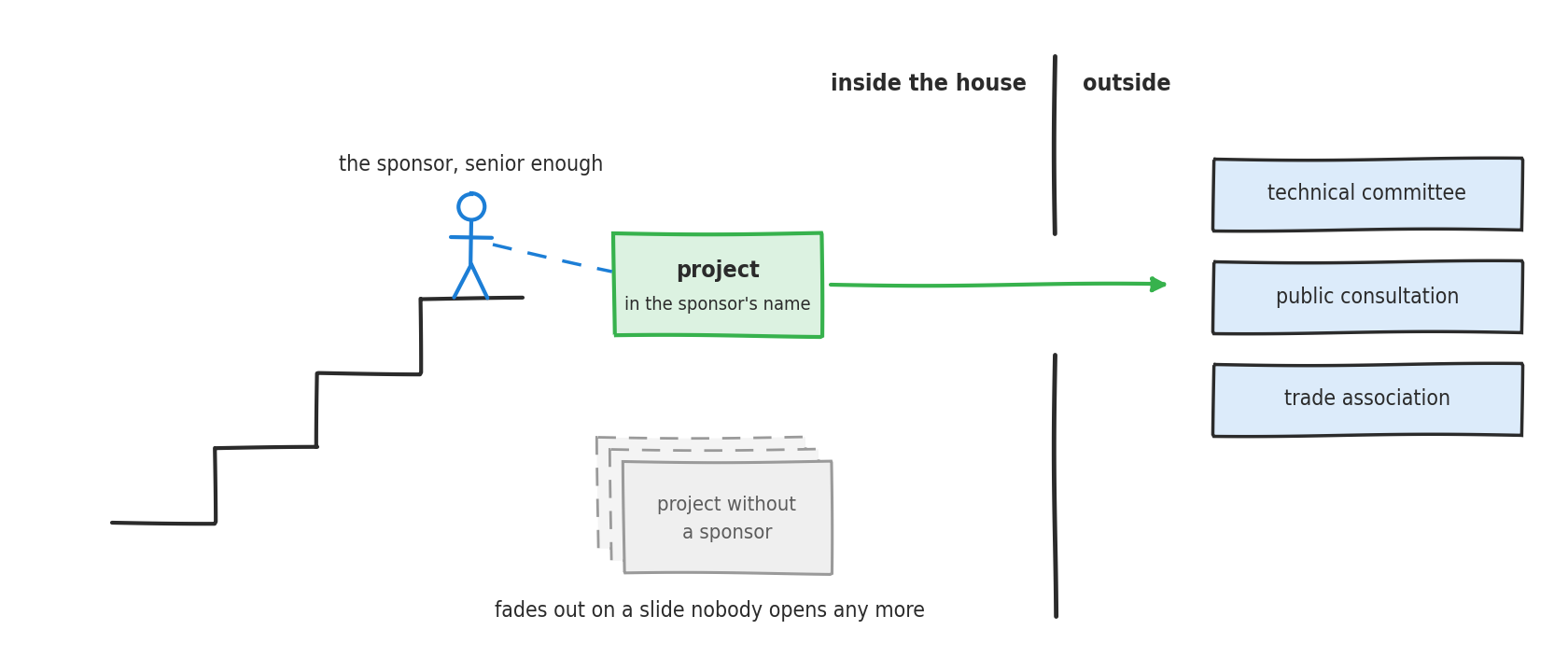
The first is the sponsor, the name companies give to the executive who backs a project. No file leaves the house without someone senior enough to bear the political cost of a failure, and that person can just as easily condemn a product as save it. Without a sponsor, a project does not die in a meeting: it fades out in silence, on a slide nobody opens any more.

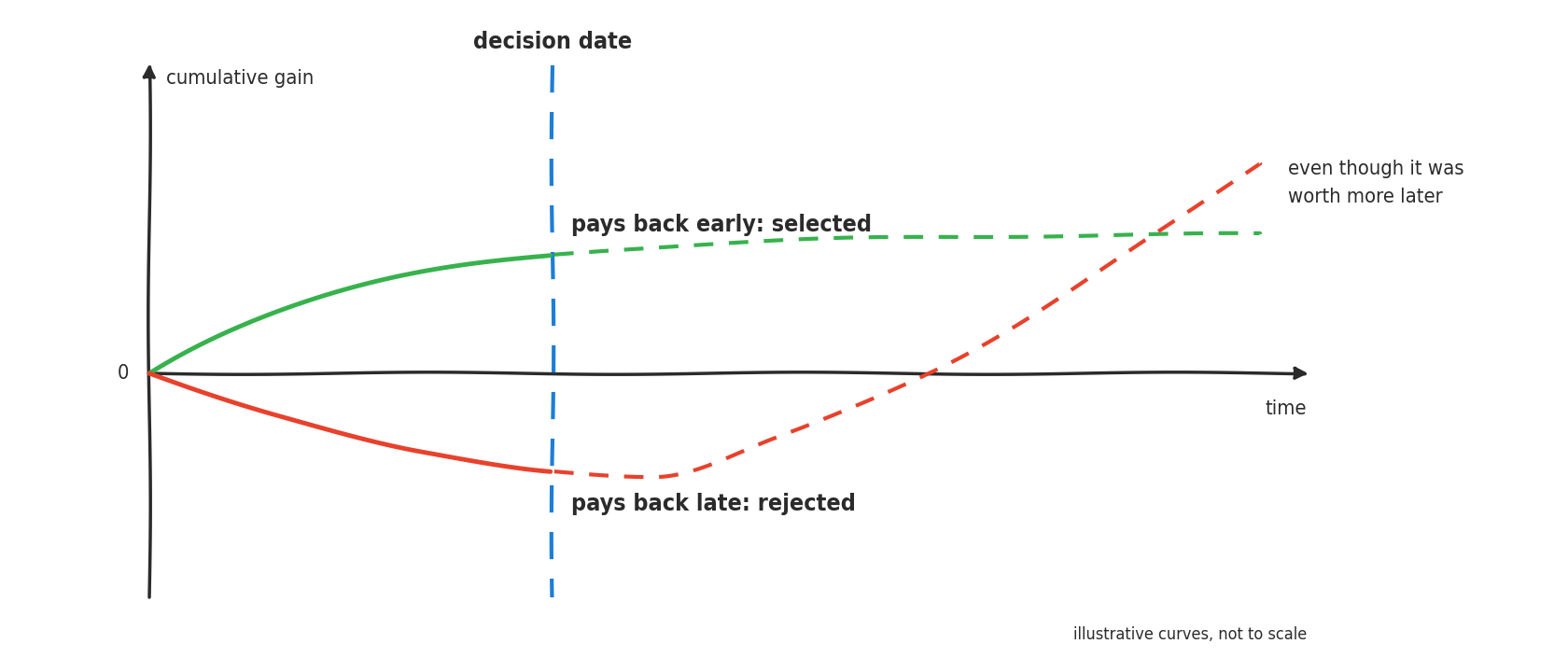
The second is the constrained budget. A company cannot fund every project put to it: they compete for a limited envelope, and its executives choose between them according to what each should bring in, and by when. A project whose gains will only arrive in several years then loses to one that pays back faster, even if it would eventually have brought in more.
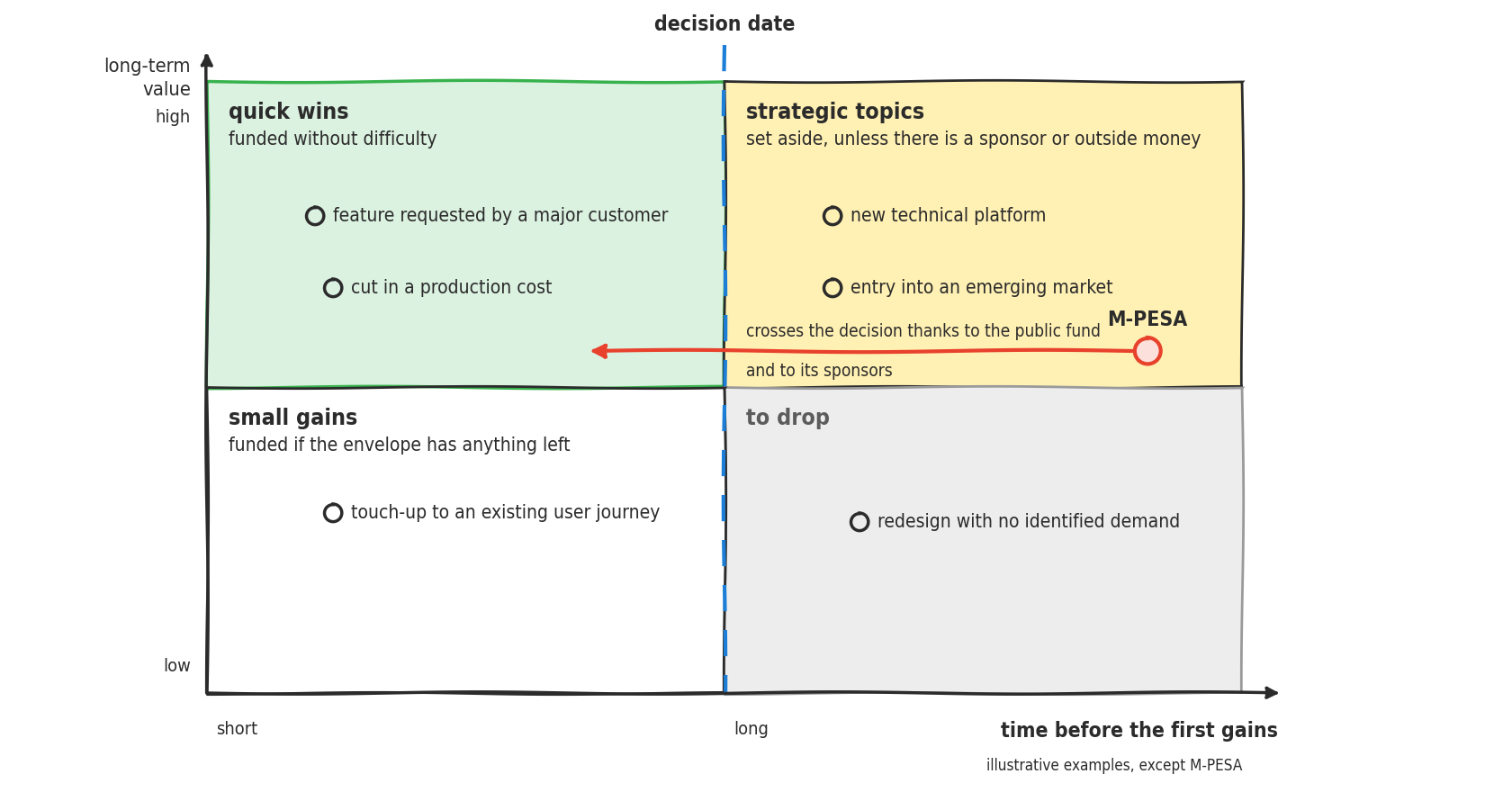
Product teams often sort their projects on a two-axis matrix: what a project brings in, and how long it takes to bring it in. Quick wins, the gains that come fast, get through the decision without difficulty. Strategic topics, whose value only arrives after the decision date, need a sponsor or outside funding to survive. M-PESA took that second path.

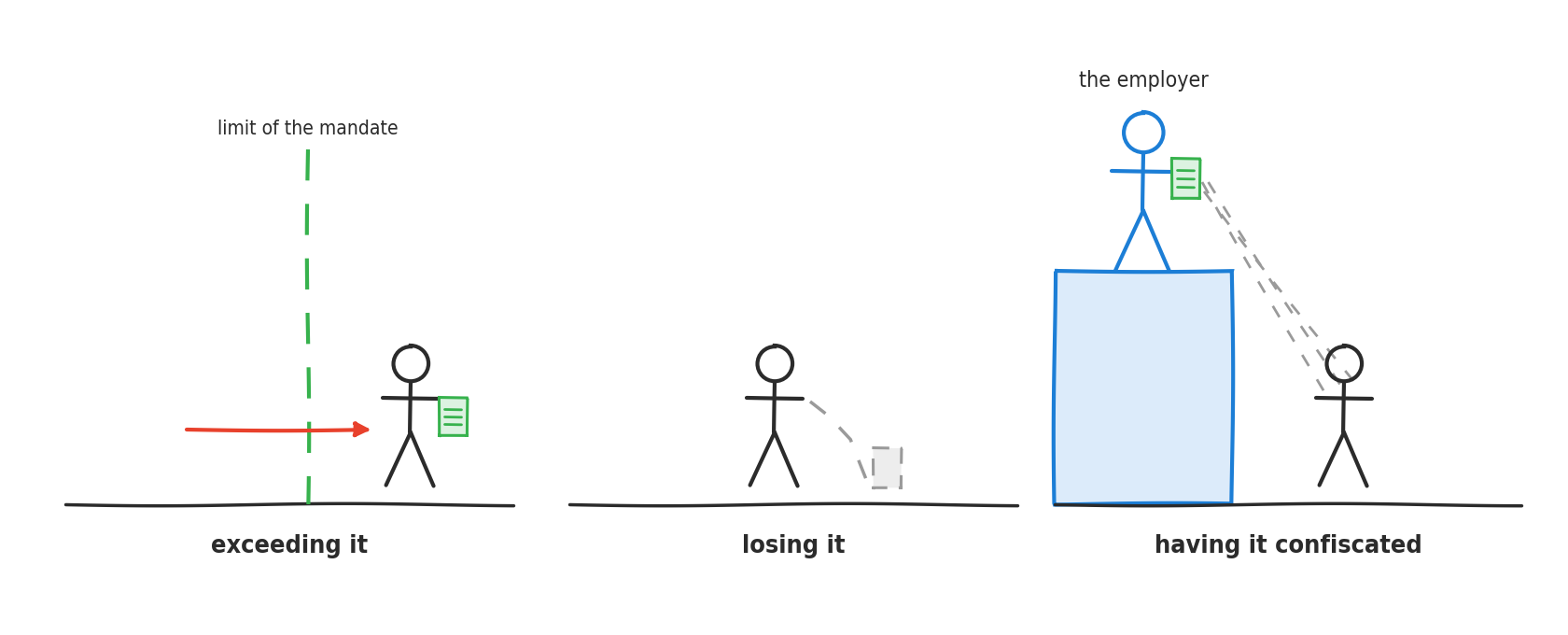
The third is the mandate. Anyone who speaks outside in the company’s name carries a mandate, written or tacit, which they can exceed, lose, or have confiscated by those who employ them. It is the least visible of the three mechanisms, and it is the one that breeds disasters.

The cases that follow take place in Europe, Africa, Asia and North America. A company that organizes its public voice is doing its job; one that does not is left at the mercy of other people’s. These mechanics can be read in archives, in parliamentary reports and in the public registers that companies fill in themselves, but they rarely come into view at a product review.
Alcatel, or the day a house disowned its subsidiary
At the end of 1984, Alcatel is developing wideband with the German manufacturer SEL, Standard Elektrik Lorenz, while the Scandinavian telecommunications administrations defend narrowband. Beneath this engineers’ quarrel lies an industrial contest: the solution chosen will become the digital mobile telephone standard in fifteen European countries, and the manufacturer that designed it will have a head start in selling its equipment there.
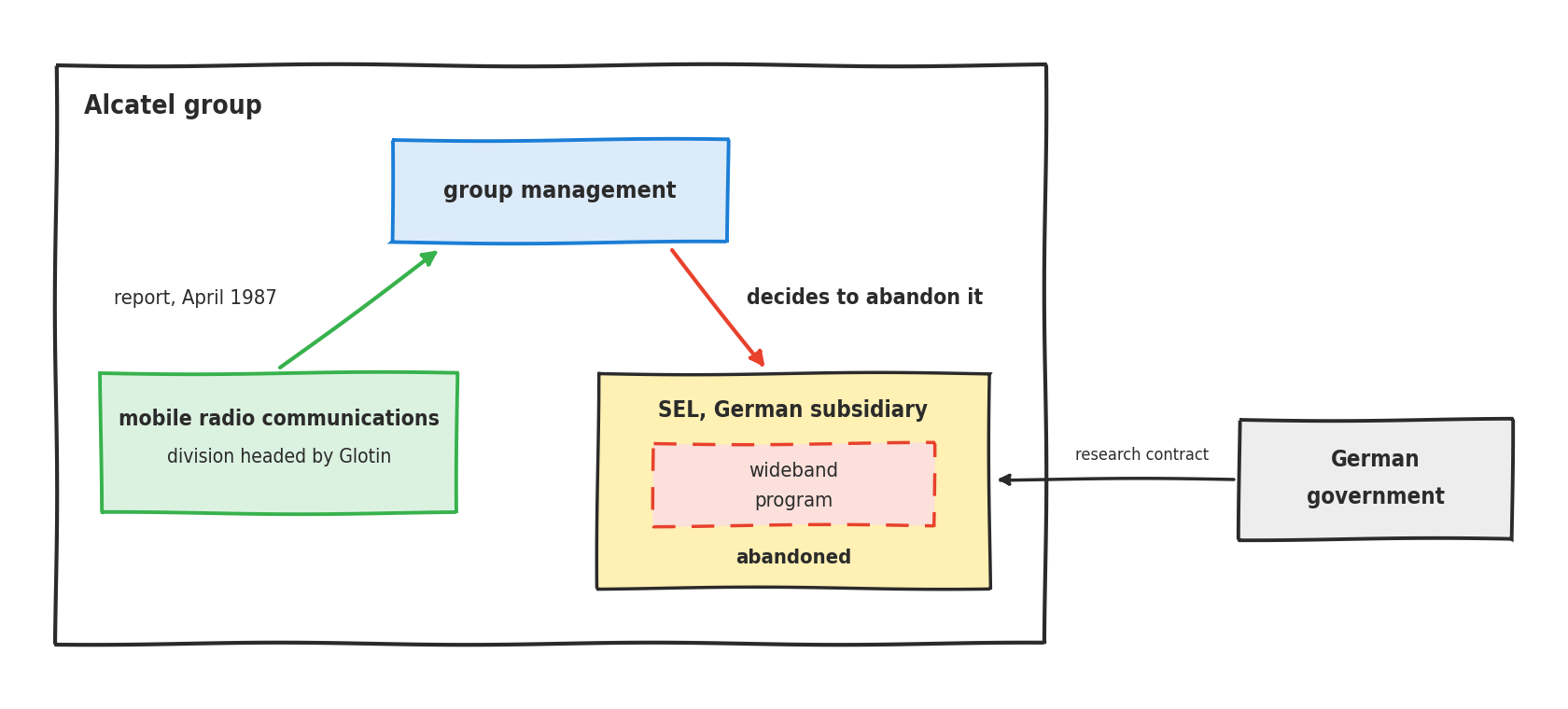
In the meantime, an acquisition has brought SEL under the control of the Alcatel group, whose German subsidiary it has become. Holder of a research contract from the German ministry, it defends an interest of its own.


Four players, and three of them are French. Alcatel wants its standard. Its German subsidiary SEL wants to save its program and the German public contract that funds it. On the Friday before the Madeira meeting, Alcatel goes to the French government at the highest level, and the instruction passed down to the delegation fits on one line: France will defend Alcatel’s solution and no other, whatever the experts say. Those experts do not prefer that solution; they are bound to it.

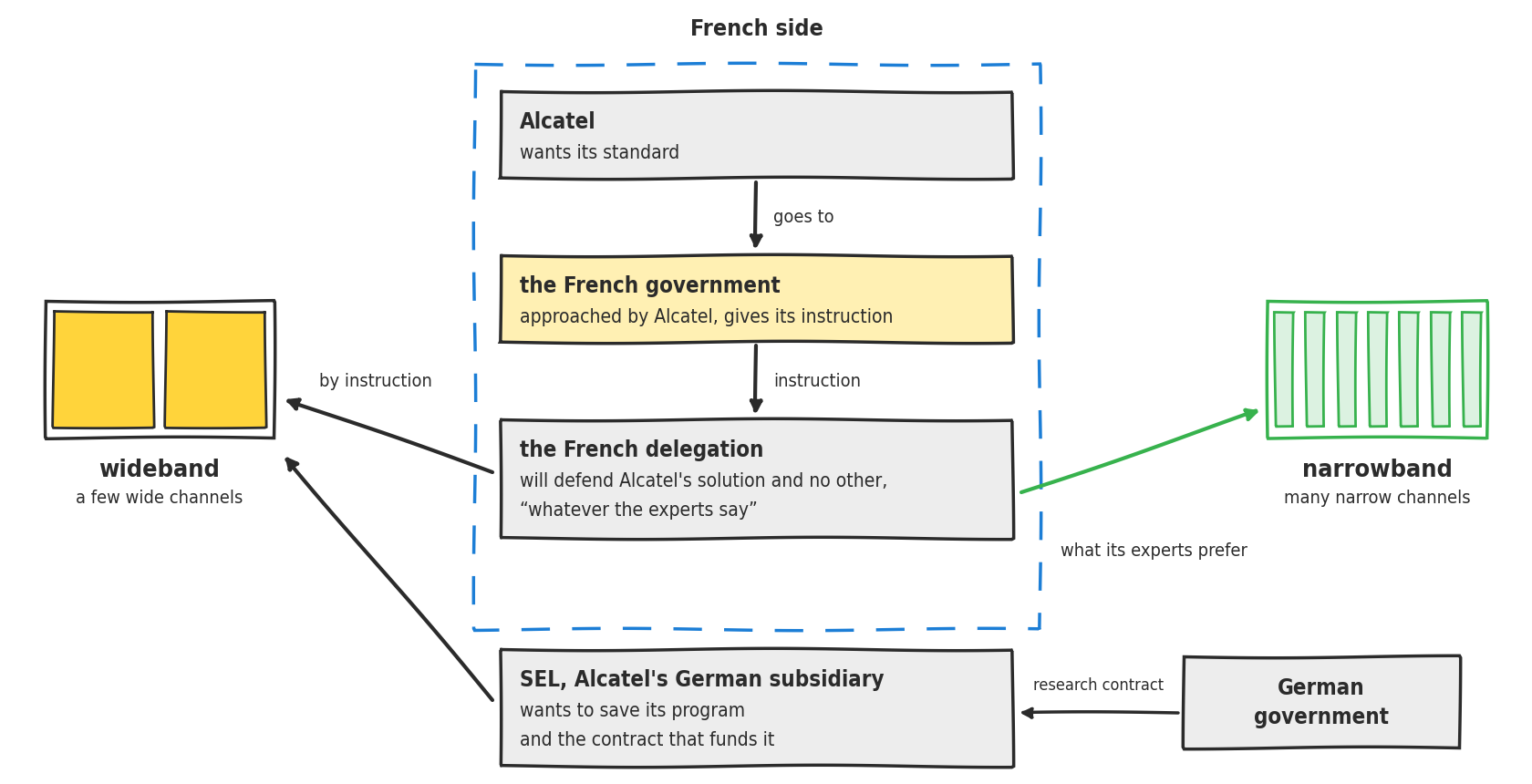
In February 1987, Alcatel obtains an intervention from the government at the highest level, and the French delegation arrives in Madeira with no room to negotiate. The house then puts on demonstration after demonstration, in Switzerland and then in Italy, and hands the national operators a technical report written over a weekend, which reverses one by one the parameters in the table its opponents hold up against it. A manager at the Italian operator at first gives up on sending it by fax: the document is more than two centimeters thick.
Two months later, Philippe Glotin, who heads mobile radio communications at Alcatel, goes back to Brussels. There he hears from the British negotiator that support for narrowband is overwhelming. The next day, he puts it in writing to his management. Alcatel gives up: no new study, no minister won over, not a single franc spent.
What counted was the rank of the man reporting back. His management believes him because he runs the division concerned, and his credit covers the cost of news nobody wanted to hear. He plays the sponsor’s role in reverse: he stakes that credit on getting his house to abandon a product it had defended all the way to the top of the state. The product does not die on a test bench, but around a meeting table.
For SEL, the same day reads differently. The subsidiary does not lose a commercial battle: it loses a program its parent company no longer considers a priority, and with it the German contract that funded it. It served two authorities, the French group that owned it and the German ministry that paid it, and it was the first that decided.
Johannesburg, or someone else’s money to win a meeting at home
Nick Hughes joins Vodafone in 2001. Part of his first assignment is to help the British operator define the role it could play in serving the Millennium Development Goals, which the United Nations had set to reduce poverty. He comes away with a simple conviction: access to finance stimulates enterprise, and the mobile phone can carry money to places where no bank has opened a branch.


The eight Millennium Development Goals, adopted in 2000 and due in 2015, are read here as a three-level tree: the goal, then the key result, which is an official target with a date and a figure, then the measure, which is an indicator used to track it.
This tool requires JavaScript.
The idea meets no objection. It simply finds no funding.
The interests at stake can be described in a few lines. Hughes needs a budget. His management expects a return, which nobody can hold against it. The British Department for International Development, for its part, is looking for private companies able to run projects that open up access to financial services. To that end it set up, in 2000, a fund of fifteen million pounds, awarded through calls for proposals, which will finance twenty-eight projects in South Asia and Africa. One rule governs its use: the fund covers only half the cost of each project, and the winning company must put up the other half.
The turning point comes at the World Summit on Sustainable Development, in Johannesburg. Hughes has just spent the afternoon debating private companies’ tendency to favor the short term when a British government official in charge of the fund comes over to him. Their conversation turns on the obstacle Hughes would later set out in an article co-written with Susie Lonie, a mobile commerce specialist whom Vodafone would send to Kenya to lead the project. Private companies are bound to put their shareholders’ capital to its best return; many allocate their funds through an internal competition judged on expected return; development projects are therefore, more often than not, crushed in it.
Hughes also observes that this kind of subject often manages to rise within a company only through the departments in charge of stakeholders, government relations and reputation. Research and development would be no more welcoming, because Vodafone, like many technology companies, points it toward technology rather than toward the market. Yet the project needs no new technology. It rests on the humblest of mobile services, the text message, or SMS, at a time when the group’s European markets swear by nothing but 3G and the first smartphones.
It is in that conference hall that Hughes first thinks of using a public fund to get around the constraints of the company’s internal process for developing new products. The question he asks himself fits on one line: what if a company used someone else’s capital to get through its own internal competition?
In mid-2003, he spends a few weeks putting his case together, with two aims: to win the backing of a few very senior executives, and the support of his colleagues in East Africa. Without sponsorship at the top, he writes, a project ends up relegated to the graveyard of PowerPoint presentations.
The fund grants him nearly one million pounds, a sum Vodafone matches pound for pound. The whole lever lies in that parity. Management no longer has to decide whether to invest alone in a risky project; all it has left to decide is whether to add its share to funding the British government has already granted. Hughes and Lonie draw the lesson themselves at the end of their article. When outside funding covers half the bill, the sum the project has to wrest from the internal budget is halved, so it faces the other candidates on easier terms. Projects that are socially useful, but riskier or less profitable than average, can then get through.
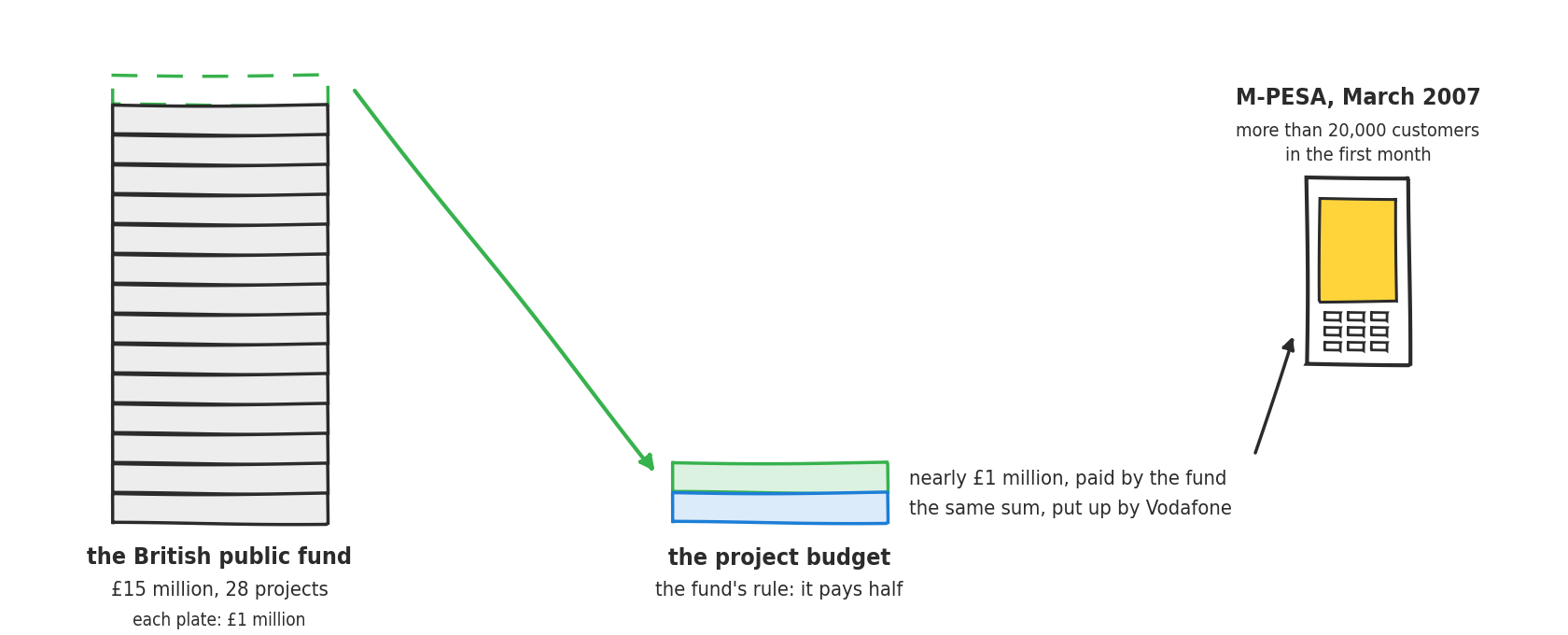
In February 2005, Susie Lonie flies to Nairobi to write the product specification. The pilot starts on 11 October that year, with eight agent shops and nearly five hundred customers of a microfinance institution, who are given a free phone and a few dollars to repay their loans through this channel. Planned to last a few months, it stretches over nearly two years. The Central Bank of Kenya eventually lets it be known, in writing, that it does not object to the launch; ten days later, in March 2007, Safaricom, the country’s leading operator and a member of the Vodafone group, opens the service under the name M-PESA, from pesa, the Swahili word for cash. More than twenty thousand customers sign up in the first month, far beyond forecasts.
Hughes had the idea, the skills, the market and the technology. What he lacked was his management’s budget approval, which he would not have won against projects with faster returns. Rather than fight that battle, he changed the question put to his management: with half the budget already covered by the British fund, and senior executives committed, it no longer had to decide whether to fund this project rather than another, only whether to top up funding already secured. In this story, public money is not used to obtain a public decision. It is used to obtain a private decision, and that decision brings a product into being.
Renault, or a board defending its alliance against its shareholder
On 30 April 2015, Renault’s shareholders, gathered at the general meeting, vote on a resolution put to them by the board of directors. Its aim is to set aside double voting rights, which France’s Florange law of 2014 made automatic in listed companies: any share held for two years counts for two votes, unless the shareholders opt out by a two-thirds majority.
The board is not defending an abstract principle here, but the industrial alliance that binds Renault to Nissan. The French state and Nissan each hold 15 percent of Renault’s capital, but the rules on cross-shareholdings deprive Nissan of any voting rights. Before the law, the state already held 17.5 percent of the votes, and Nissan none. Double voting would take the state’s share to 28 percent, while Nissan’s would stay at zero. Addressing the meeting, Renault’s lead independent director, Philippe Lagayette, explains that the board had seen this imbalance and that Nissan feels it as such. The majority of the board therefore supports the resolution; only the state’s representatives break ranks.

Three weeks earlier, on 8 April, the state had bought fourteen million Renault shares for €1.258 billion, raising its holding from 15 percent to nearly 20 percent of the capital. The French Senate’s special rapporteur, who traces the episode, presents this purchase as a response to management’s opposition. On 30 April, the resolution wins 60.53 percent of the votes cast, when two thirds were required: it is rejected.
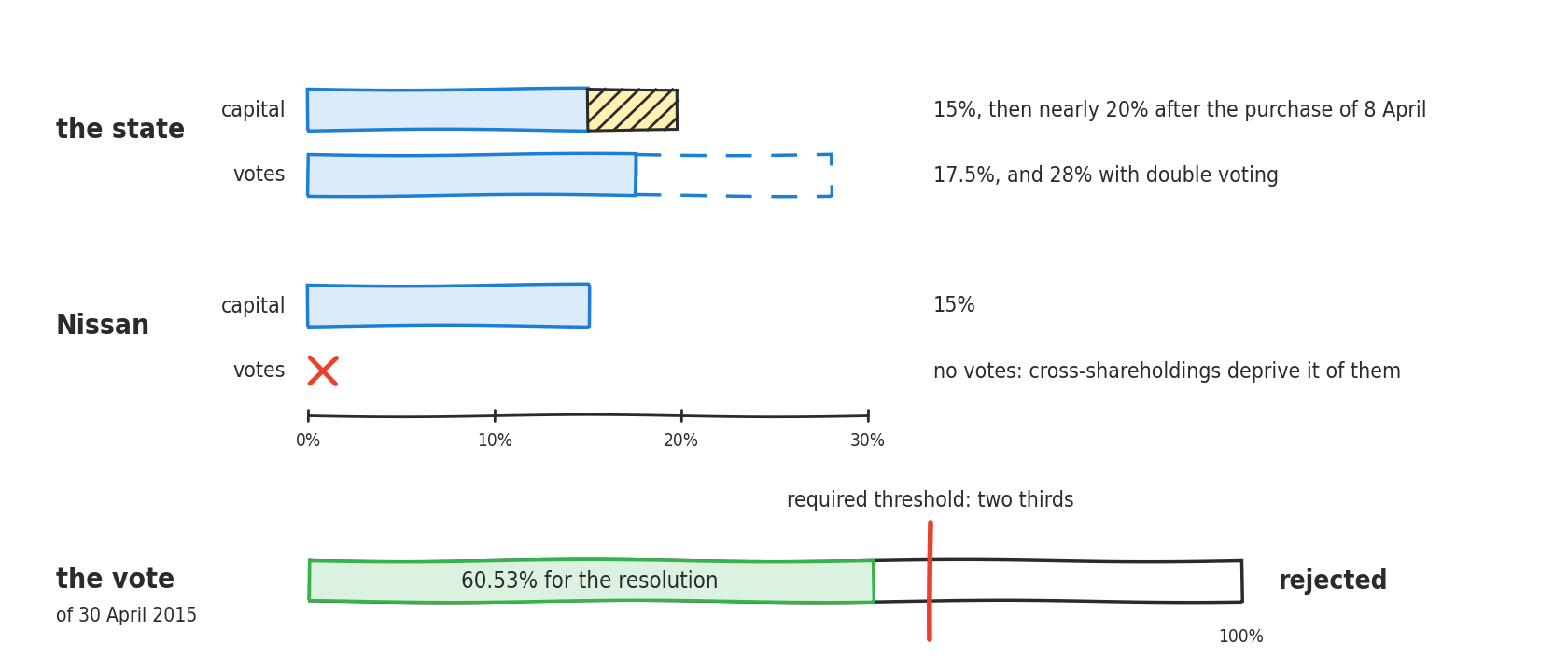
The same rapporteur adds that without this purchase the resolution would probably have been rejected anyway, but narrowly. The state did not reverse the outcome of the vote; it put it beyond dispute.
A board of directors is the highest level at which a sponsor can sit. Renault’s board staked its credit on the Alliance, and it gave way before the shareholder that holds the capital. Above the most senior sponsor there always remains the owner of the house.
Subsidiaries, or the house within the house
What SEL loses that spring has a name in management: its charter. A charter is the list of markets, products and technologies for which head office makes an entity responsible. Head office grants it, and it can take it back to hand it to another.


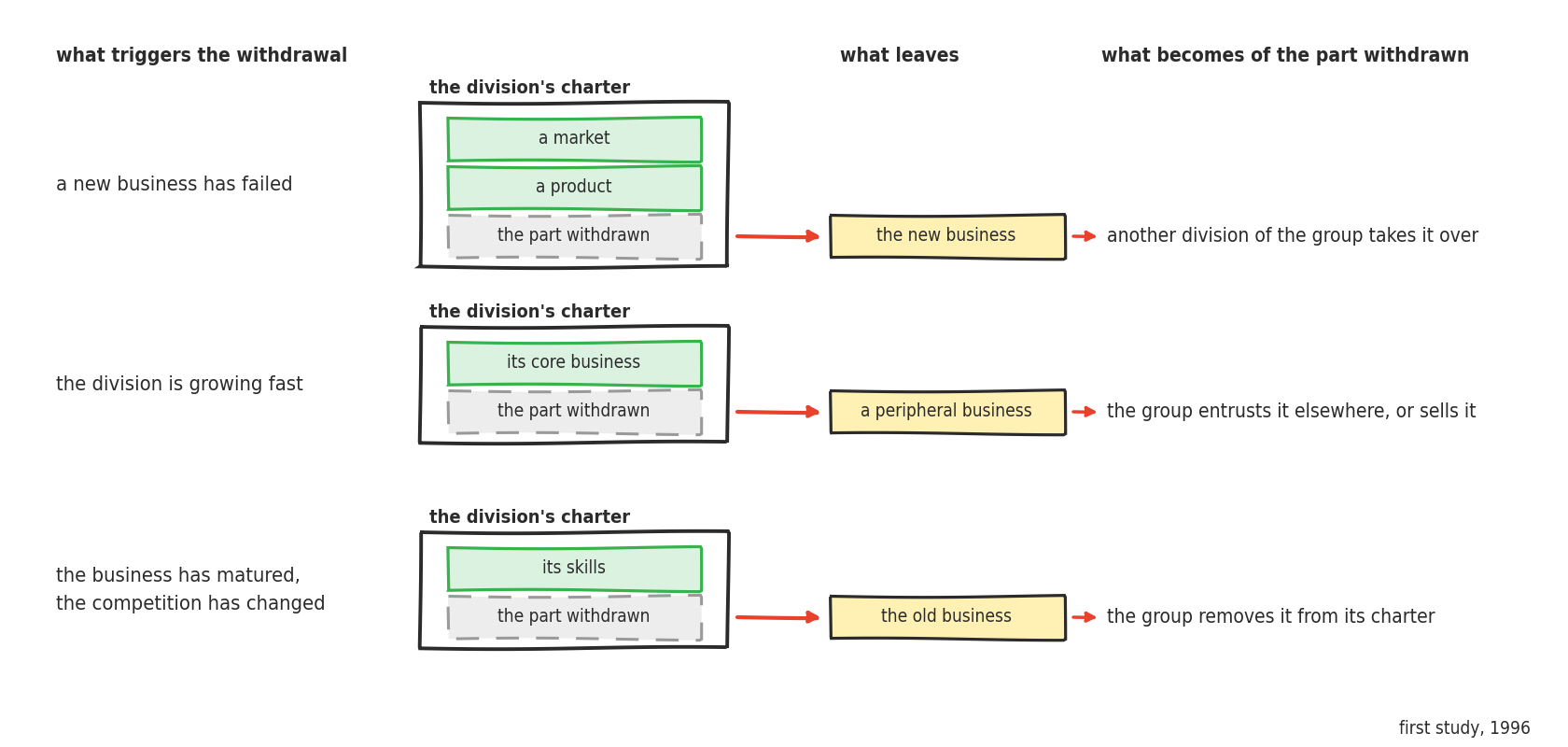
Two studies have measured what happens to entities that lose theirs. The first, published in 1996, is by Charles Galunic, of INSEAD, and Kathleen Eisenhardt, of Stanford University. They followed ten divisions of a large high-technology multinational for eighteen months, and interviewed more than eighty managers at several levels of the hierarchy.
They distinguish three situations. A division that launches a new business loses it when it fails at it and another division of the group covets it: new charters are fought over in a genuine internal market. A fast-growing division gives up its peripheral businesses to concentrate on its core. A division settled in a mature business ends up letting it go, once its skills and culture no longer match the competition it faces. For the group, these withdrawals are not sanctions: they let it follow markets that move faster than its organization chart.

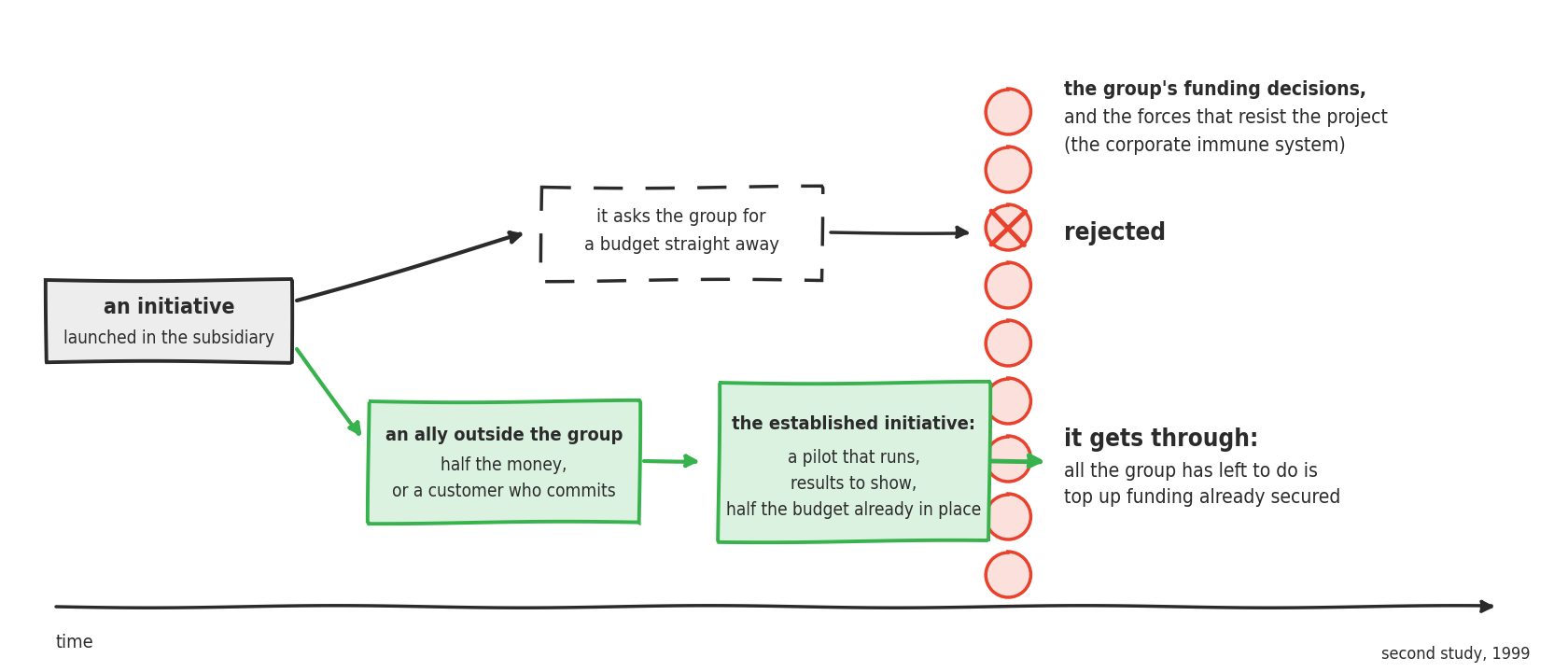
The second looks at the other side. Julian Birkinshaw, of London Business School, and Jonas Ridderstråle, of the Stockholm School of Economics, studied the projects that subsidiaries launch themselves. In 1999, they published an analysis of forty-four initiatives, successful or not, launched by managers of Canadian subsidiaries of foreign groups, and gave the name “corporate immune system” to the set of forces that resist them. The most successful initiatives, they write, find allies outside the group early on, and take on that system only once they are firmly established. Without running a subsidiary, Nick Hughes followed that path: an outside ally first, the British fund, then the internal decisions, once half the budget was secured.
The two studies describe mechanisms; the story of Saab shows their consequences, from one subsidiary to another. In 2008, the Swedish carmaker is a wholly owned subsidiary of General Motors. Its models rest partly on the American group’s intellectual property, and GM also supplies it with components.
At the height of the financial crisis, GM obtains a loan from the US Treasury. The contract, signed on 31 December 2008, requires it to present a viability plan. The plan it submits on 17 February 2009 refocuses the group, in the United States, on four brands: Chevrolet, Cadillac, Buick and GMC. Saab is put up for sale, and GM proposes to cap its financial support so that the subsidiary becomes a stand-alone company on 1 January 2010. Three days later, on 20 February, Saab places itself under the protection of Swedish reorganization law.
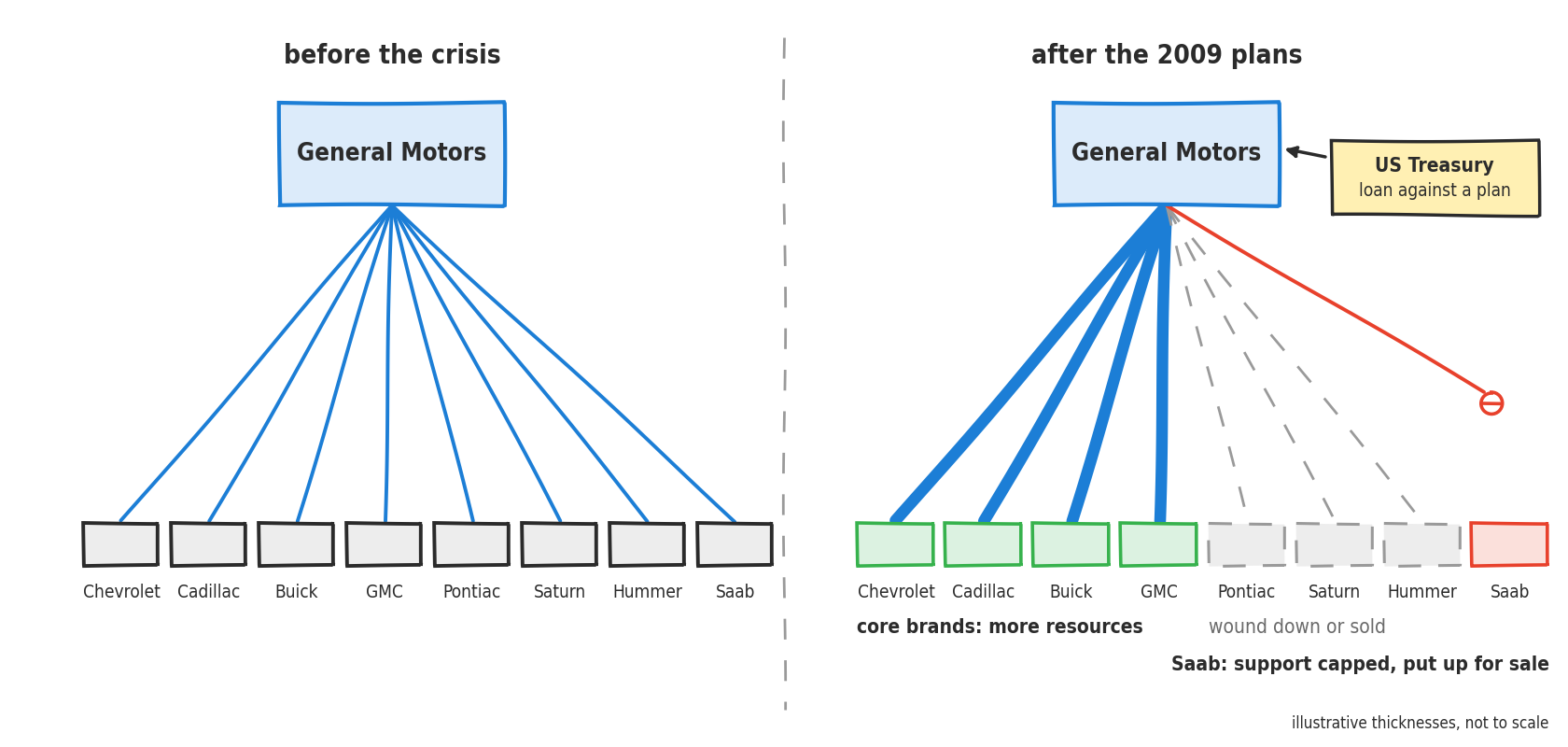
What Saab loses, other brands in the group gain. GM says as much in writing that same year: focusing on four brands will let it devote more resources to each, for better products and stronger marketing. In a group, a change of priority does not make the money disappear; it moves it from one subsidiary to another.
A subsidiary that has been sold is not set free for all that. In 2010, GM sells Saab to Spyker, a small sports car maker, and grants it a license to build certain models with the group’s intellectual property, reserving the right to withdraw it if Saab passes, without GM’s consent, under the control of another carmaker. In 2011, Saab runs out of money; the Chinese carmaker Zhejiang Youngman offers to take it over. GM refuses, several times, any deal that would put its licensed technology in Chinese hands. Saab then tries one last arrangement, built on its own technology alone. On 17 December 2011, a GM spokesman states that these new proposals would harm the group and its shareholders, and that GM could no longer supply components to Saab if the plan went ahead. Two days later, Saab files for bankruptcy.

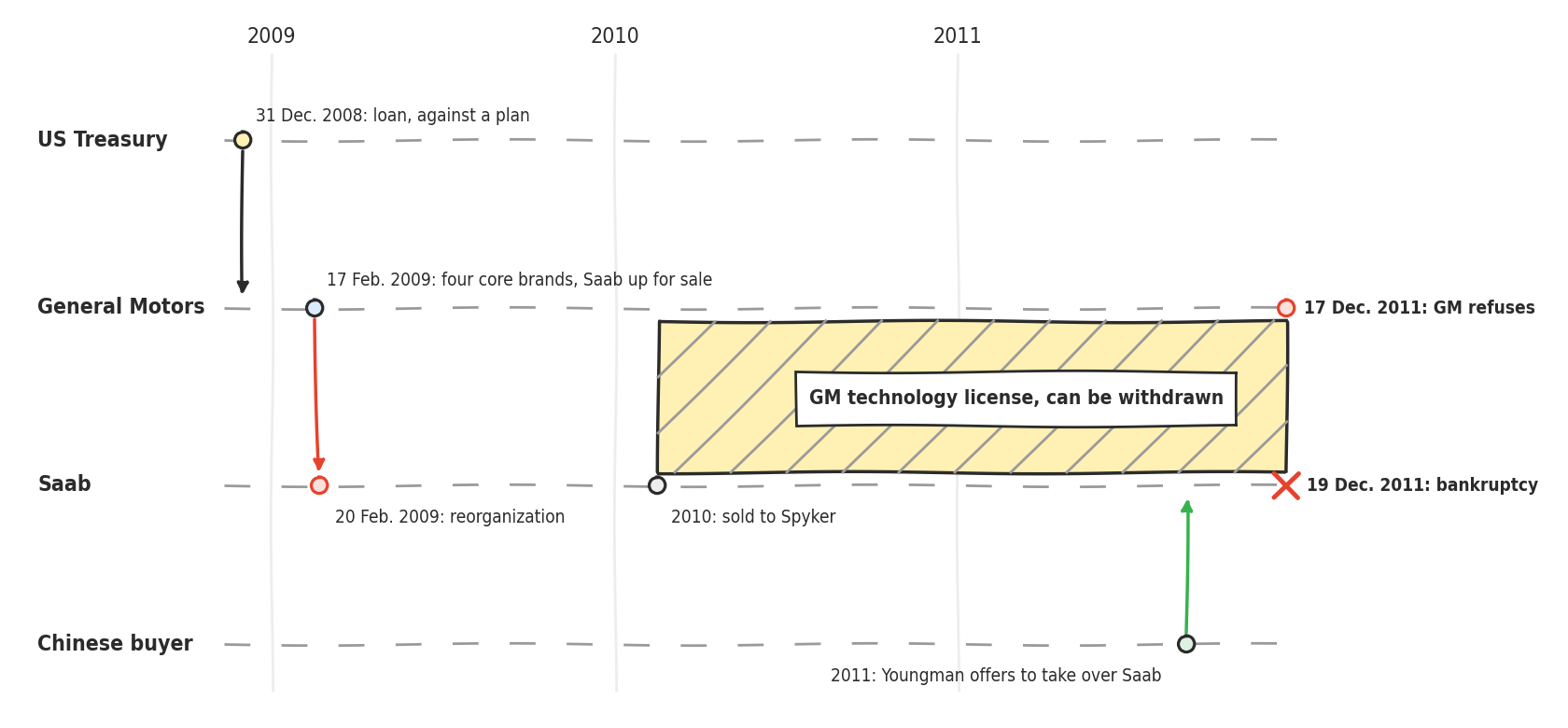
Spyker took GM to court. In 2014, the United States Court of Appeals for the Sixth Circuit ruled for the group, which in its view had legitimate business concerns about who would benefit from its technology. Seen from head office, the decision was rational; seen from the subsidiary, it was fatal. For a subsidiary, the group’s technology is an accelerator as long as priorities coincide, and a brake the day they diverge.
The make-up of a group thus extends downwards the chain this series has been climbing since its first episode. The state weighs on the group, as it did at Renault and at General Motors. The group sets the subsidiary’s charter, as Alcatel did for SEL. The subsidiary, finally, decides between its products. A product manager who works in a subsidiary therefore stands at the end of three layers of politics, and a project can be right for its market while being one too many in the group’s portfolio.
Shanghai, or the price of a speech nobody signed off on
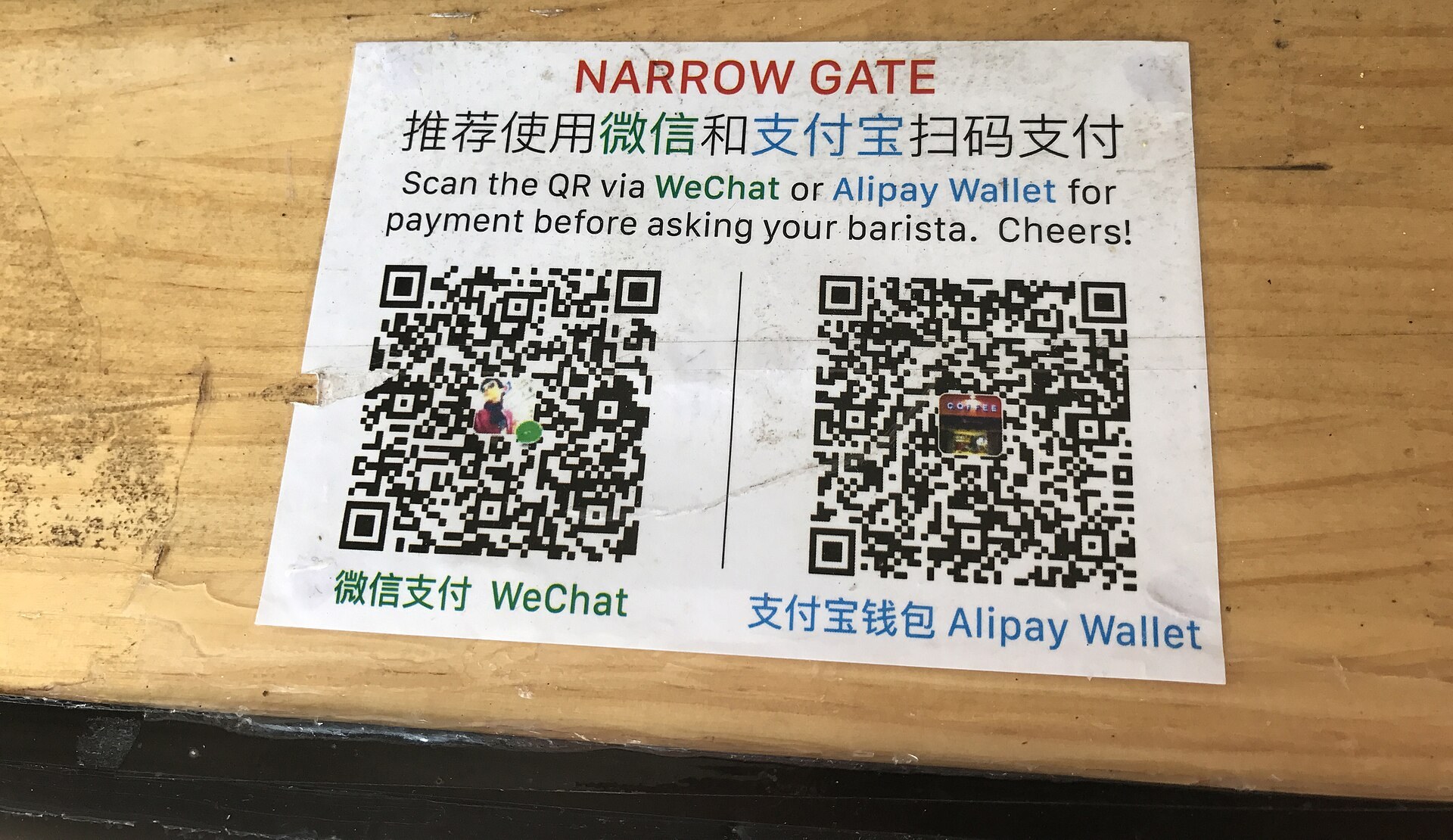
In the autumn of 2020, Ant Group is preparing the largest initial public offering ever attempted, a first sale of its shares on the stock market, to be held simultaneously in Shanghai and Hong Kong. The group operates Alipay, a payment app, and online lending brought in nearly 40 percent of its revenue in the first half of the year. A large share of these loans is granted jointly with partner banks which, according to a source close to the regulators, bear almost all of the risk. The offering is to raise $34.5 billion, and the listing is set for 5 November.

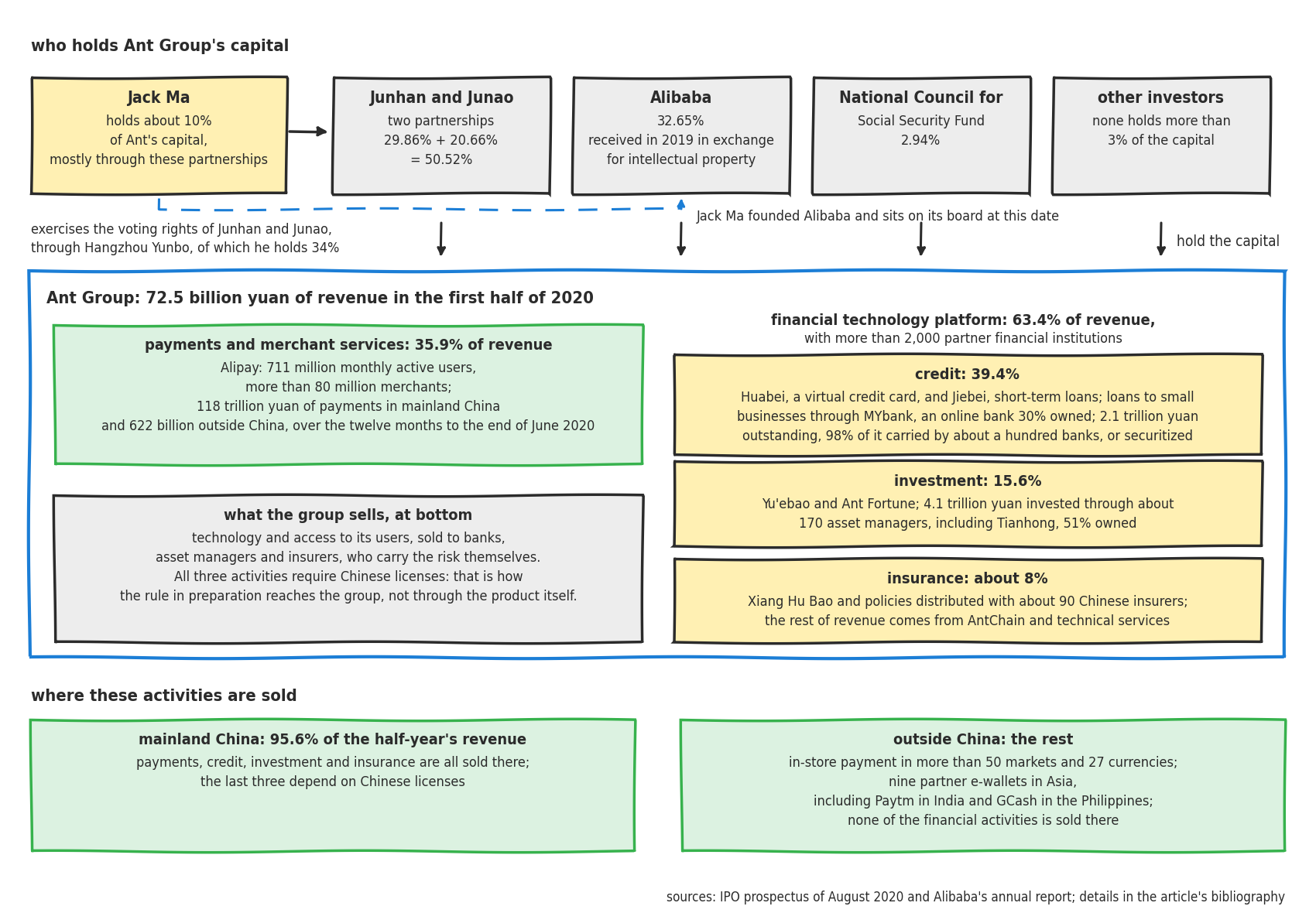
Ant is anxious to be seen as a technology company rather than as a lender. A bank must hold equity capital, that is, money contributed by its shareholders, in proportion to the loans it makes, which curbs its growth and its valuation. And China’s financial regulators have long been preparing rules that would subject online lenders to a comparable discipline: a cap on borrowing, and a minimum share of each joint loan to be funded from their own resources. Jack Ma, who controls Ant, has every reason to fear these rules.

On 24 October 2020, at the Bund Summit, a financial conference held in Shanghai in front of many senior regulators, Ma gives a speech against the Basel Accords, the international rules on bank solvency, which he likens to an old people’s club, and against the way China guards against financial risk, which in his view stifles innovation.
On 2 November, the regulators publish the draft rules on online lending. Around the same time, they jointly summon Ant’s controlling shareholder, its executive chairman and its chief executive to a supervisory interview.
On 3 November, the Shanghai Stock Exchange makes its decision public. It states that Ant’s executives have been summoned, that the company has itself reported material matters, among them a change in the regulatory environment for financial technology, and that it may therefore no longer meet the listing conditions or the disclosure requirements. It suspends the listing, and the Hong Kong offering is halted in turn.
That day, Ant’s product stays the same; it is its nature that flips. The rules in preparation turn it into a lender bound by a bank’s constraints, and the offering that was meant to crown a technology company does not take place.
Nobody at Ant could refuse Ma the mandate to speak, since he controlled the company, and so no internal decision took place. Of all the cases gathered here, it is the only one where that step is missing altogether: the company had no way of stopping its own founder from speaking in its name.
The chain of cause and effect is still debated. According to sources close to the regulators quoted by the Chinese business magazine Caixin, the rules had long been ready, and the speech only hastened their publication by drawing the attention of the country’s top leaders to Ant’s debt. Some analysts argue, on the contrary, that Ma knew the rules were imminent and spoke out to fight them. Whichever reading you choose, an executive spoke without anyone having signed off on his words, and his company’s listing was suspended ten days later.
Seattle, or when the company employs those who speak for the regulator
The US Federal Aviation Administration does not certify every part of an aircraft itself. It delegates part of this work to the manufacturer, under a program that authorizes some of the manufacturer’s employees to act on the agency’s behalf. They are called authorized representatives. The manufacturer pays them, appraises them and decides on their promotion; their mission is nonetheless to defend the regulator’s interest.
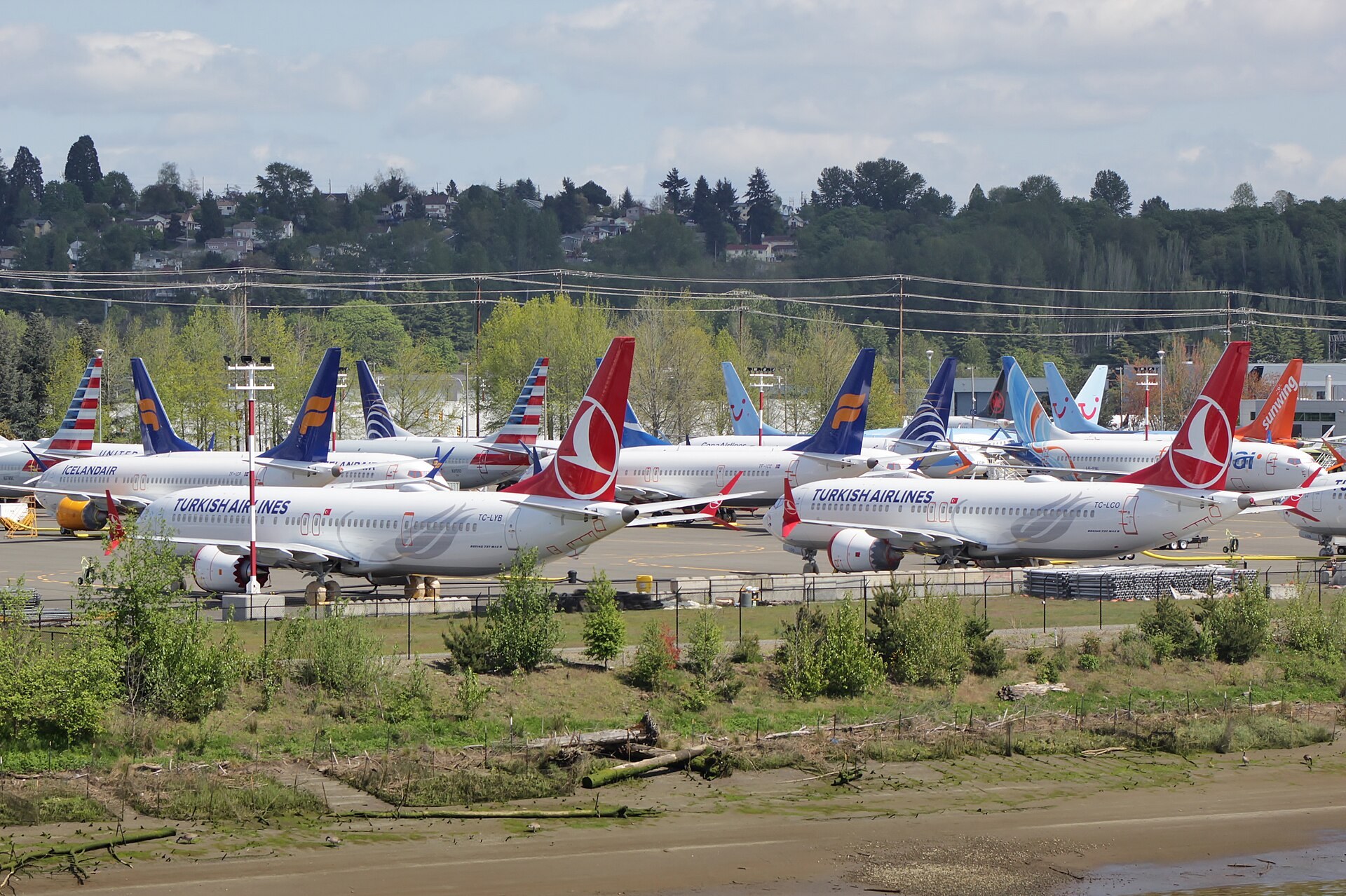
Boeing, at the time, intends to keep the 737 MAX on schedule against its European competitor’s new aircraft, avoid any slowdown on its assembly lines and, above all, prevent certification from forcing its airline customers to train their pilots on simulators, which would cost them dearly. The agency, for its part, has to guarantee safety with reduced staff. The authorized representatives are caught between these two demands, which they cannot satisfy at once.

In 2016, at the height of the certification work, Boeing puts its own authorized representatives through an internal survey, whose results a whistleblower would later pass to a congressional committee.
Thirty-nine percent of the representatives who responded say they perceive undue pressure, and twenty-nine percent fear consequences if they report it. All of them check the work of colleagues employed by the same company as themselves.

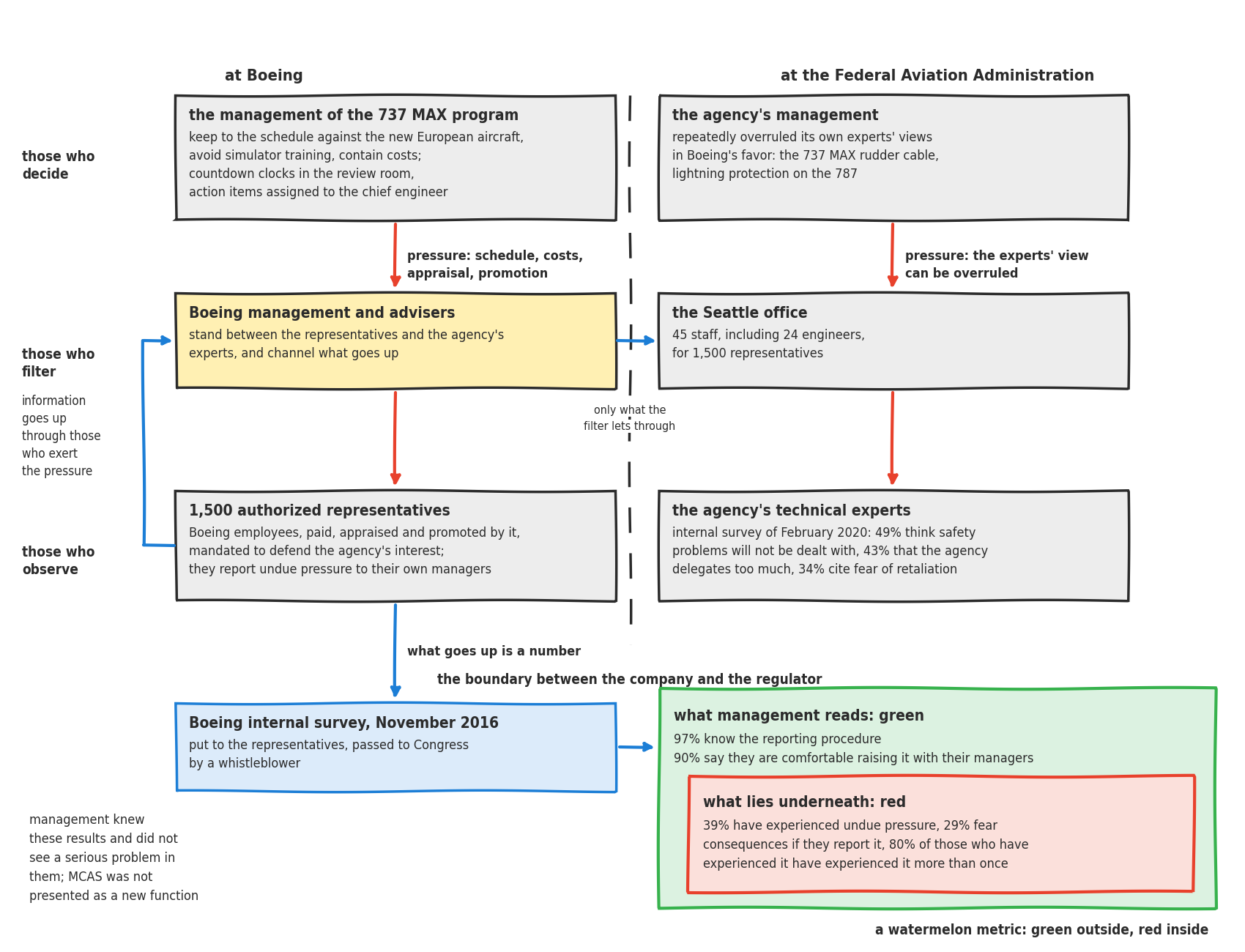
The House Committee on Transportation and Infrastructure identifies, in the 737 MAX program, four situations in which authorized representatives failed to defend the agency’s interest. In one of them, in 2013, a representative approves the decision not to present MCAS, software that automatically pushes the aircraft’s nose down in certain flight conditions, as a new function, because the company feared extra costs and tougher certification and training requirements. The committee found no evidence that this representative informed the agency.
In October 2018, then in March 2019, two 737 MAX aircraft crash. Three hundred and forty-six people are killed.
The independence of these representatives could not be decreed by a job title: it depended on a chain of command that ran entirely through their employer. The report states that the program’s former chief engineer, Michael Teal, and its former head, Keith Leverkuhn, both acknowledged to investigators that they had known about this internal survey, and had not regarded the undue pressure as a serious problem.
In this case, the mandate was confiscated: employees charged with speaking for the regulator were in fact speaking under the authority of those they were supposed to check. This internal decision shaped a product, an aircraft whose pilots did not know about one of its functions, and it is the only case in this series in which such a decision cost lives.
The budget line, and what it does not say
In your company, someone pays for your industry to be represented where the rule is written. That budget line exists, it carries an amount, and it has an owner, who is almost never the head of product. It is this line that decides who will go and defend your product in those rooms, and on which files.
You do not see it, because it sits with public affairs or compliance, it feeds into no product dashboard, and no one from your team attends the meeting where it is decided. You will therefore find it easier to read the figure a competitor declares in a public register than your own.
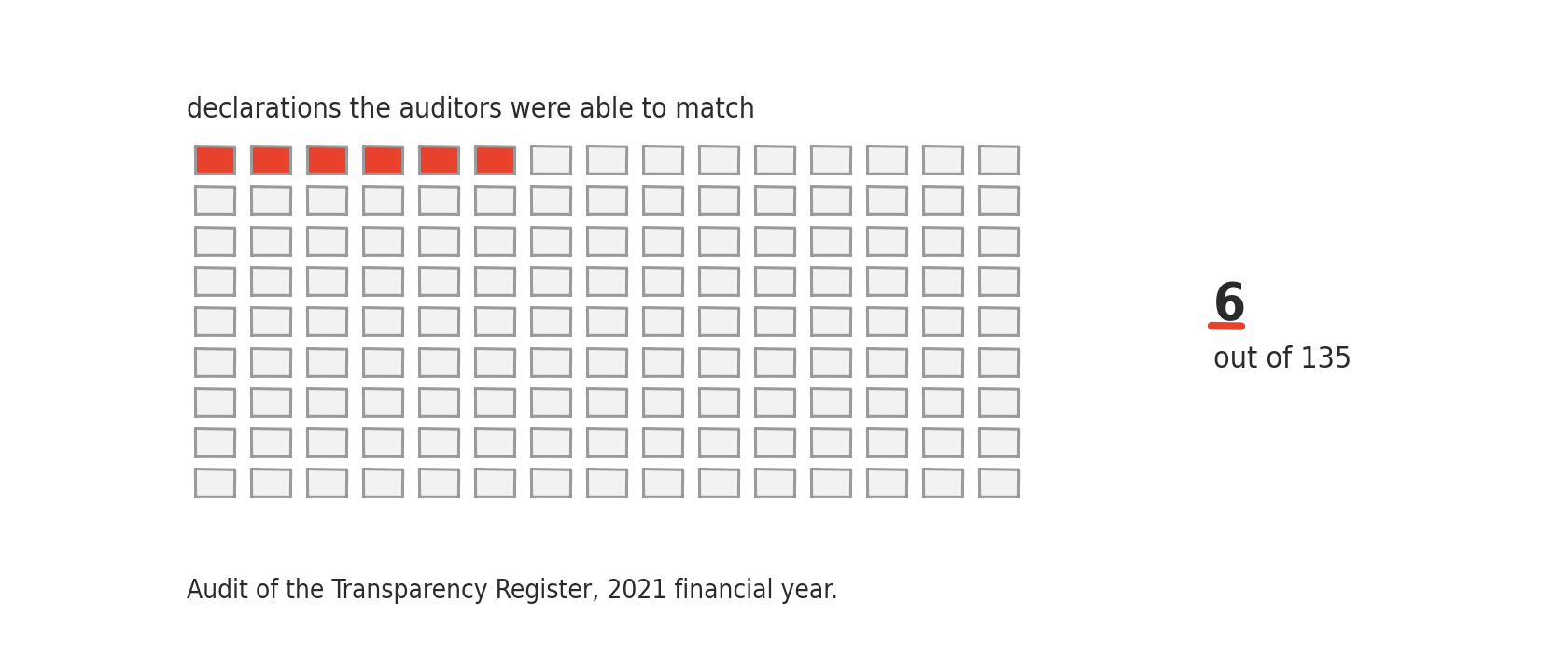
These registers give an order of magnitude, to be handled with care. In 2024, the European Court of Auditors compared the EU grants that registered organizations declared they had received with the figures in the Commission’s accounts: out of one hundred and thirty-five comparable cases, only six matched. The useful question is therefore not the exact amount, but who holds that line at your company, on which files, and by what route your product can get onto it.
The objection: this is just ordinary management
There is an obvious objection, and it comes from the teams themselves.
What I am describing, some will say, is nothing more than the ordinary life of any organization: teams fight over a budget, executives decide, some leave the meeting with their budget line and others without. Calling this internal politics would only dress up in strategic vocabulary what everyone goes through on a Tuesday morning.
The objection is right on the facts, but it stops too soon.
It is right, because the processes described here exist for good reasons. Hughes himself acknowledges as much about Vodafone: this management framework disciplines projects and ensures that shareholders’ money is spent wisely. A company that stopped deciding its budgets on expected return would be no more open for it; it would simply be badly run.
It stops too soon, because these ordinary decisions produce effects that are anything but ordinary. A trip report leads Alcatel to abandon the technology it had defended all the way to the top of the state. A grant application brings a phone payment service into being in Kenya. An opinion given in 2013 on how to present a piece of flight software lets an aircraft enter service whose pilots do not know about one of its functions.
There is nothing extraordinary about these meetings. They decide the fate of products all the same, and that is why they concern you.
What this article does not say
It does not claim that the sponsor can do everything. Glotin won nothing in Brussels: he brought home a balance of power that had formed without him, among the administrations whose alliance the fourth episode traced.


It does not say that a group is wrong when it takes a project away from one of its subsidiaries. Galunic and Eisenhardt describe these withdrawals as a way for the group to adapt to fast-moving markets: what is a loss for the subsidiary can be a sound decision on the floor above.
Nor does it claim that getting around the internal decision is a good method. Hughes succeeded, and that is why his story was written down; those who failed by the same route did not tell theirs.
It does not argue that a company’s public voice should be locked down. The Ant Group case reads both ways: a founder who speaks without anyone signing off can get his company’s stock market listing suspended, but an organization where nobody dares speak any more without permission has nothing left to say.
Finally, it does not claim that an influence budget produces influence. An amount declared in a register says nothing about what it made possible.
The internal decision map
The third episode proposed a question to put on the product review agenda; the fourth, a four-column grid of the forums where your rule is written; the fifth, five scales to measure your place in your own network. This one invites you to turn these tools toward the inside of your company, on a single page.
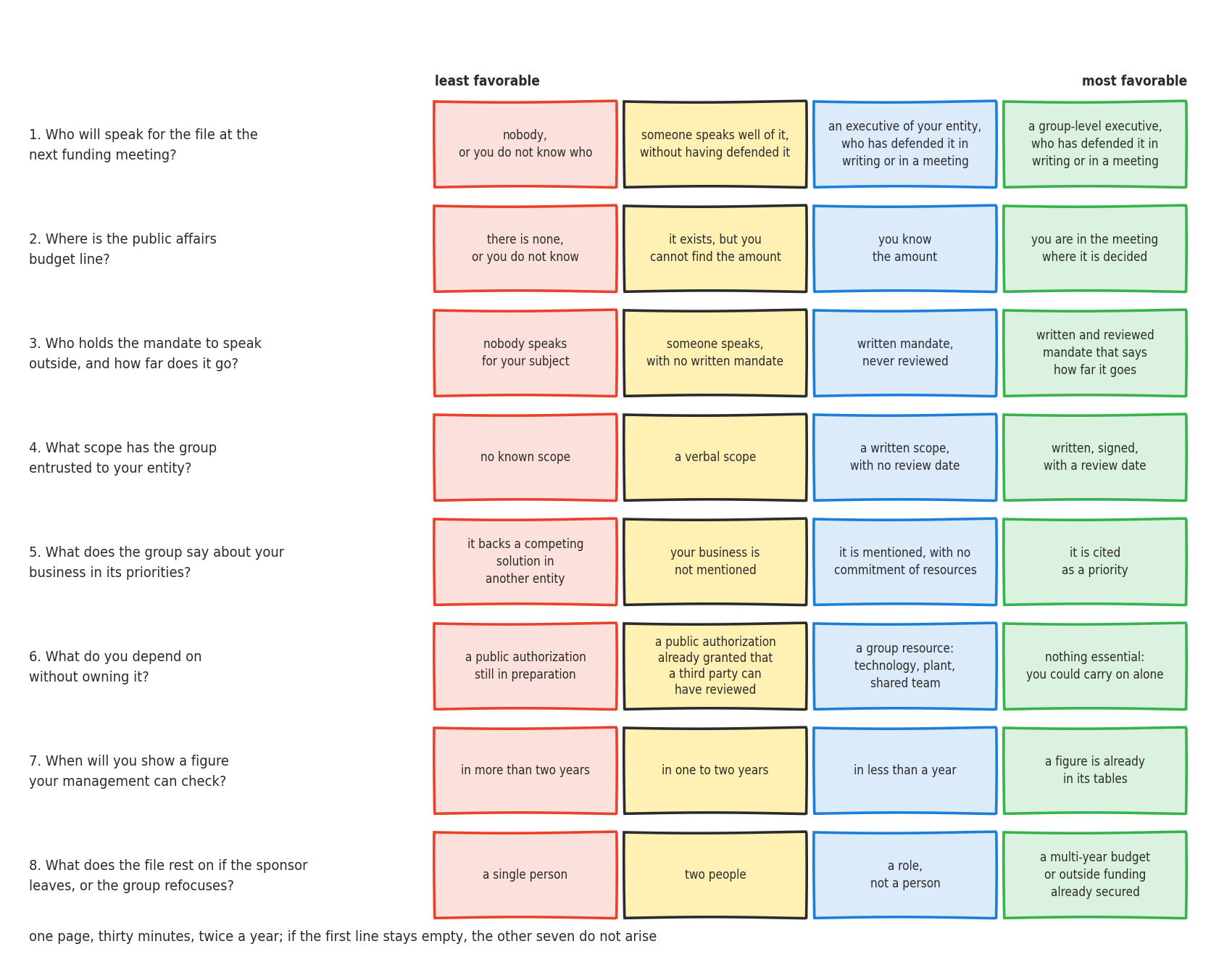
Who will speak for the file at the next funding meeting? Write down a name, not a job title, then the meeting or the email in which that person took a stand, and the floor they sit on. If no name comes to mind, your file does not exist yet, whatever your roadmap says.
Where is the public affairs budget line, and who defends it? Find out what your company spends on its presence in the forums that write your rules, then in which meeting that line is discussed and who sits in it. The public registers, the European Union’s and, in France, that of the High Authority for Transparency in Public Life, will give you the figure your competitors declare sooner than your own.
Who holds the mandate to speak outside, and how far does it go? List the people in your organization who speak on your subject in a technical committee, in a trade association or in response to a public consultation. Then ask who wrote their mandate, and when it was last reviewed.
What scope has the group entrusted to your entity? Ask for the document that sets it out, who signed it, and when it will be reviewed. A scope passed on by word of mouth can be withdrawn without a meeting.
What does the group say about your business in its priorities? Open the latest presentation to shareholders or the chairman’s latest letter, and look for the name of your entity, then that of your market. Check too whether another entity in the group is already going after the same need.
What do you depend on without owning it? List what goes into your product without appearing on your invoices, and what you are not allowed to decide on your own: a technology or a plant belonging to the group, an authorization, an approval, a standard in preparation.
When will you show a figure your management can check for itself? Take the date on which that figure will appear in a table management actually looks at, not the date the project ends.
What does the file rest on if your sponsor leaves, or if the group refocuses on its core business? A project that rests on a single person does not survive that person’s departure; a project with half its budget coming from outside survives a refocusing.
These eight lines fit on one page, to be reread twice a year at the product review: half an hour in June, half an hour in December. If the first stays unanswered, the other seven do not even arise.
None of these questions calls for a simple yes or no. Each one admits degrees, and it is the degree reached that tells you something. Nobody, someone who speaks well of it, an executive of your entity who has defended it in writing, a group executive who has done so: these are four distinct situations, and the second protects less than people think. The four degrees of each line are my own, and the series’ method appendix explains where they come from.

Think of one specific project that is under way. One context question, then the eight lines of the decision map above, place this project within your company’s politics.
No answer is stored or sent anywhere.
Or browse the eight positions:
This tool requires JavaScript.
Six weeks after the corridor
The story of the Brussels corridor finds its ending in official texts.
On 19 May 1987, six weeks after Glotin’s report, Germany, France, Italy and the United Kingdom sign a joint declaration in Bonn: their four governments undertake to support the standard at home and ask their operators to draw up a memorandum of understanding. On 7 September that year, the operators sign it in Copenhagen. This memorandum would become the charter of the GSM Association, named after the Groupe Spécial Mobile, the European working group that designed the standard.

The law then takes over. Directive 87/372/EEC, which reserves the frequency bands for the future European mobile telephone, and Recommendation 87/371/EEC appear in the Official Journal of the European Communities on 17 July 1987. Three years later, in December 1990, the Council would take note of the progress made on that basis.
Look at the chain as a whole. In April, an executive comes back from a trip and tells his management it has lost. In May, fifteen ministers sign an agreement. In July, a text appears in the Official Journal. In September, fifteen operators sign a memorandum. Six weeks separate the first link from the second, and it is this sequence of agreements that set the frequencies and the standard of a whole continent, and then those of the device you are holding in your hand right now.
The three scales of this series are climbed in this direction, and never the other way. Nobody obtains a public decision because they are right. They obtain it because somebody, inside an organization, first won from their peers the right to go and ask for it, with a budget, a mandate, and above them a name able to absorb a failure. The seventh episode will look in the other direction: what the company does with the time all this buys it.
You are already in the room.
What this article rests on
The Brussels corridor and the Alcatel case
- Stephen Temple, Inside the Mobile Revolution, A Political History of GSM, chapter 15, manoeuvring behind the scenes
- Stephen Temple, Inside the Mobile Revolution, chapter 17, the meeting of ministers in Bonn on 19 May 1987
- Science Museum Group, official UK copy of the Bonn declaration, 1987, signed for the United Kingdom, Italy, France and Germany
- GSMA, Our history: the four ministers’ proposal and the signing of the memorandum of understanding in Copenhagen in September 1987
- Ericsson, company history, All agreed, by Svenolof Karlsson and Anders Lugn, with the Centre for Business History
- Léonard Laborie, “Concurrence et changement technique. De la norme au marché, la trajectoire unique de la téléphonie mobile en Europe depuis les années 1980” [Competition and technical change. From standard to market, the unique trajectory of mobile telephony in Europe since the 1980s], Histoire, économie & société, 2008/1, pp. 91-101, checked against an offprint (in French)
Johannesburg, or someone else’s money
Renault
Subsidiaries, or the house within the house
- D. Charles Galunic and Kathleen M. Eisenhardt, “The Evolution of Intracorporate Domains: Divisional Charter Losses in High-Technology, Multidivisional Corporations,” Organization Science, vol. 7, no. 3, 1996, pp. 255-282
- Julian Birkinshaw and Jonas Ridderstråle, “Fighting the corporate immune system: a process study of subsidiary initiatives in multinational corporations,” International Business Review, vol. 8, no. 2, 1999, pp. 149-180
- General Motors Corporation, “GM Presents U.S. Government Updated Plan for a Viable, Sustainable Company,” press release of 17 February 2009, filed with the SEC (Form 425)
- General Motors Company, current report on Form 8-K filed with the SEC, 2009
- Associated Press, “Saab declares bankruptcy as GM blocks Chinese deal,” 19 December 2011
- United States Court of Appeals for the Sixth Circuit, Saab Automobile AB v. General Motors Co., No. 13-1899, opinion of 24 October 2014
Shanghai
- Shanghai Stock Exchange, Decision to Suspend the Listing of Ant Group Co., Ltd. on the STAR Market, 3 November 2020
- Caixin Global, Billionaire Jack Ma Pays High Price for Challenging Regulators, by Wu Hongyuran, Hu Yue, Zhang Yuzhe and Guo Yingzhe, 9 November 2020
- Caixin Global, “Revealed: Jack Ma Controls Majority of Ant Group,” 26 August 2020, based on the IPO prospectus
- TechNode, “Ant Group IPO filings: five key takeaways,” 26 August 2020, based on the IPO prospectus
- Reuters, “Ant Group’s key revenue drivers as it eyes $200bn valuation,” 26 August 2020
- South China Morning Post, “What is Jack Ma’s Ant Group and how does it make money?,” October 2020
- TechNode, “Deciphering the Ant Group rectification plan,” 27 April 2021
- Yicai Global, “Ant Financial-Backed MYBank Gets Nod to Hike Equity Capital,” 12 December 2019, for the 30 percent stake in MYbank
- Yicai Global, “Tianhong Is China’s First Fund Manager to Top USD1.5 Billion Revenue,” 19 April 2019, for the 51 percent stake in Tianhong
- Bloomberg, “Alibaba’s Ant Group files for IPO in Hong Kong and Shanghai,” 25 August 2020, republished by Al Jazeera
- Alibaba Group, annual report on Form 20-F for the fiscal year ended 31 March 2020, filed with the SEC, for the 33 percent stake in Ant, the Ant Fortune platform and the nine partner e-wallets
- Reuters, “Ant Group founder Jack Ma to give up control in key revamp,” 7 January 2023, republished by CNBC, for Jack Ma’s share of the capital and the chain of control described in the prospectus
Seattle
- United States House of Representatives, Committee on Transportation and Infrastructure, final committee report on the design, development and certification of the Boeing 737 MAX, September 2020
- BMC Software, “6 SLA Best Practices for Service Management Success,” 20 August 2019, for the definition of the watermelon metric
The budget line
- European Court of Auditors, special report 05/2024, The EU Transparency Register
- High Authority for Transparency in Public Life (HATVP), La régulation du lobbying au niveau de l’Union européenne [The regulation of lobbying at European Union level] (in French)
- High Authority for Transparency in Public Life (HATVP), the definition of an interest representative (in French)
- High Authority for Transparency in Public Life (HATVP), the register of interest representatives (in French)
Six weeks after the corridor
- CORDIS, the European Commission’s research information service, Land-based public digital mobile cellular communications (GSM), which gives the reference of Directive 87/372/EEC and its publication in Official Journal L 196 of 17 July 1987
- Council Directive 87/372/EEC of 25 June 1987 on the frequency bands to be reserved for the coordinated introduction of public pan-European cellular digital land-based mobile communications in the Community, Official Journal of the European Communities L 196 of 17 July 1987