
The next morning, the back room is booked before eight. Julien has written three words on the whiteboard in marker, then wiped them off. What’s left is the gray smear of his hesitation, and a figure he didn’t dare write down.
Sophie brings the coffees and sets one in front of each of them without a word, all the way down to Paul’s seat; against the foot of the whiteboard, yesterday’s gray backpack still holds the headset prototype.
Laura comes in last, her notebook held against her chest. The four developers, already seated, face her. Éric opens his laptop out of habit, then half closes it; Marc turns a precision screwdriver between his fingers, Cassandre waits with her hands flat on the table, and Paul looks at the whiteboard and its gray smear.
Julien stays on his feet, lets the silence hold a second too long and rubs the back of his neck before he speaks.
“We’re at a critical moment that a lot of founders go through, and only the sharpest ones come out of it in one piece. A few days ago, we realized we had nine months of cash left and still no customer, no user, and no investor ready to back us. Yesterday, Sophie and I went out into the field and collected plenty of ideas for use cases, some more viable than others.”
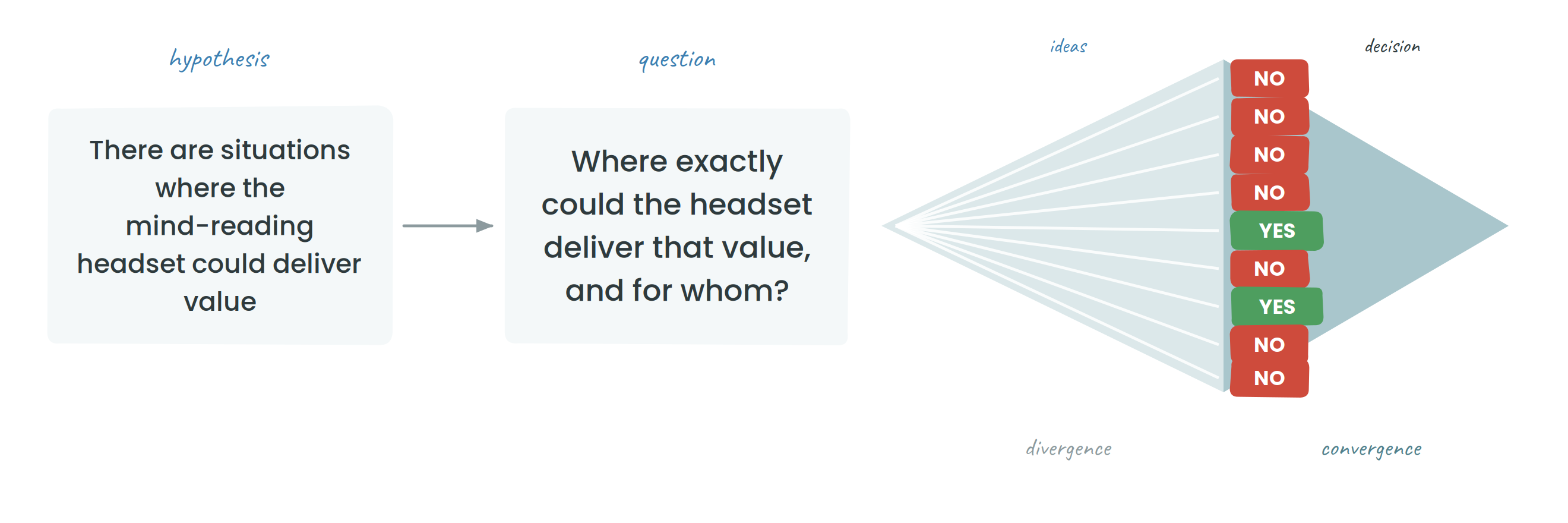
Sophie nods without taking her eyes off the gray smear, and Julien spreads his hands toward the wiped board. “Time is against us, and we have to focus on the opportunities that are worth it. But right now, we can’t sort them! We need to dig deeper, and it’s essential that you take part directly in the one-on-one interviews with the contacts we’ve identified. The question to keep in mind while you prepare those interviews: is there a real need hiding behind their ideas?”
Nobody says yes; Éric stares at the half-closed screen of his laptop, Marc at his screwdriver.
Éric raises his hand. “Maybe I’m being dumb, but aren’t we just going to ask them straight out? They won’t be able to answer if we put it to them that way…”
Marc doesn’t raise his hand, and he speaks with his eyes on his screwdriver. “And what if the person we interview gives an opinion on a subject they have neither the standing nor the expertise to talk about? You often meet people who have a view on everything without really knowing the subject. For them it’s just a conversation, but for us the future of the company is at stake. How do we weigh the legitimacy of what they tell us?”
Everyone turns to Sophie; yesterday’s workshop was hers. She brushes her left temple with a fingernail. “Last night, everybody had an idea. I couldn’t tell you which ones carry weight.”
Laura props her notebook against her laptop. “I’ve got this, Sophie. It’s my job. You’re right! Asking questions isn’t enough. We first have to understand who the person we’re interviewing really is, and assess several key aspects. That’s what gives weight to the information they give us and helps us structure our decisions better.”
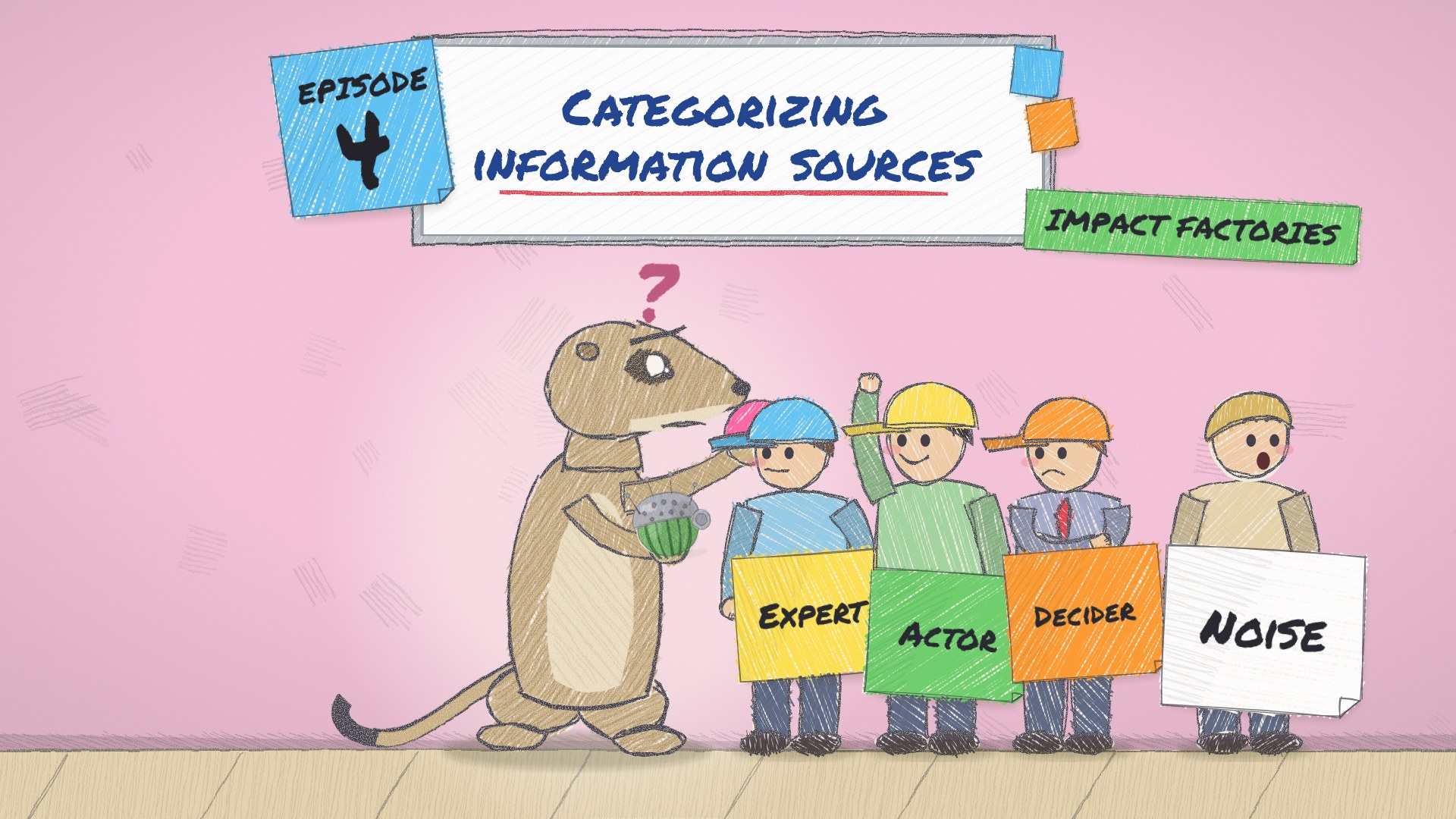
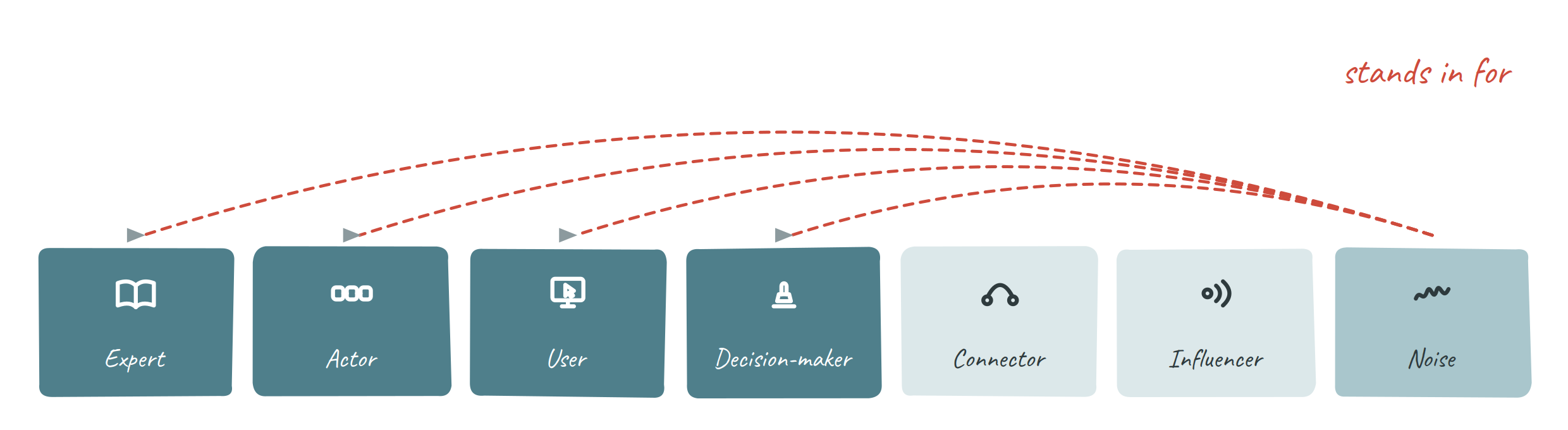
She tilts up the screen of her laptop, opens a file and swivels the laptop toward the team. A diagram comes up with four main categories: Expert, Actor, User and Decision-maker. She has kept this framework since her student years.
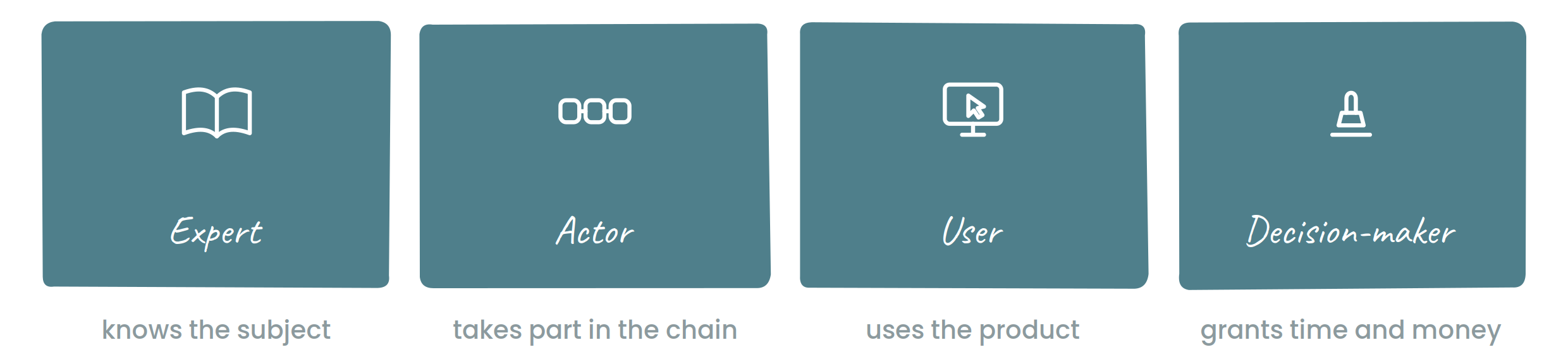
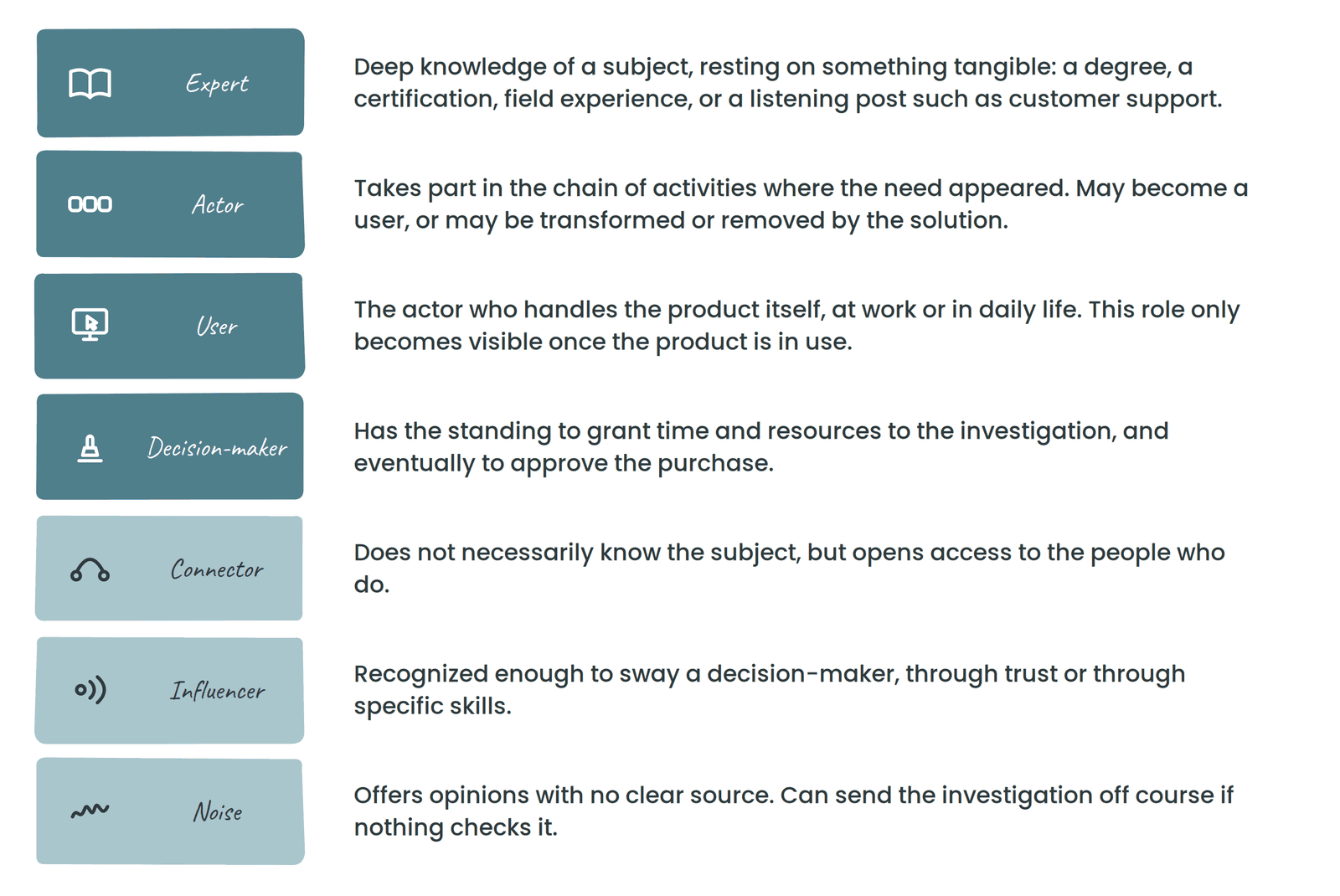
Laura points to the first box. “An expert is someone with deep knowledge or significant experience in a specific field. What sets them apart is that their expertise rests on tangible things, such as a degree, a certification, or direct field experience within a well-defined scope.”
Marc stops turning his screwdriver. “A degree, and that’s enough?”
Laura shakes her head. “There’s more to it. Take someone in customer support, for example, who deals with users every day and builds up valuable knowledge of their needs and their difficulties. An expert can also be someone who can analyze and interpret data and draw precise lessons from it. Finally, it can be a person with an overall view of a process, the one you consult first before turning to other specialists who master each step in detail.”
Marc sets his screwdriver down next to his cup. Laura moves to the second box. “Then there are the actors. These are all the people involved in the chain of activities where the need appeared. Sometimes they’re also users of the product, if it already exists. But careful: an actor isn’t necessarily a potential user.”
Nobody takes notes. Everyone except Paul is watching the screen turned toward them, where the four boxes fit in a single glance.
Laura leans on the back of her chair. “Picture a well-oiled process. The actors take part at different stages, but their role doesn’t depend directly on the product. What’s fascinating is that introducing a new product, or even a single feature, can upend a whole chain of activities. Some actors disappear, others see their role change. And sometimes new actors appear, because the product calls for skills nobody needed before.”
Sophie, over her coffee: “You’ve been through that?”
Laura suddenly talks faster. “Up close, at my last company. But we shouldn’t forget that the actors often stay the same… What changes is their role. A job can evolve, a mission can shift, and that calls for support. That’s actually what companies favor: rather than replacing people, they adapt, they train, they support. It’s an essential transition if innovation is going to settle in without an abrupt break.”
Julien jots something in a corner of his notebook and looks up before she’s finished. “And the decision-makers, the ones who sign the check? Where do you put them?”
He leans over to the backpack, pulls a business card from the front pocket and slides it across the table, where Sophie recognizes it. It belongs to the HR director who opened her door to them at the end of the workshop, without even knowing what they were selling.
Laura glances at the card. “Which brings us to the third key category. The decision-maker is the person with the standing to grant time and resources to our investigation, and above all, the person who can eventually decide to buy our product. Without them, even the best solution stays stuck.”
She lets it hang. Éric leans toward Laura’s laptop. “There are more? Ten minutes ago, I didn’t know this list existed.”
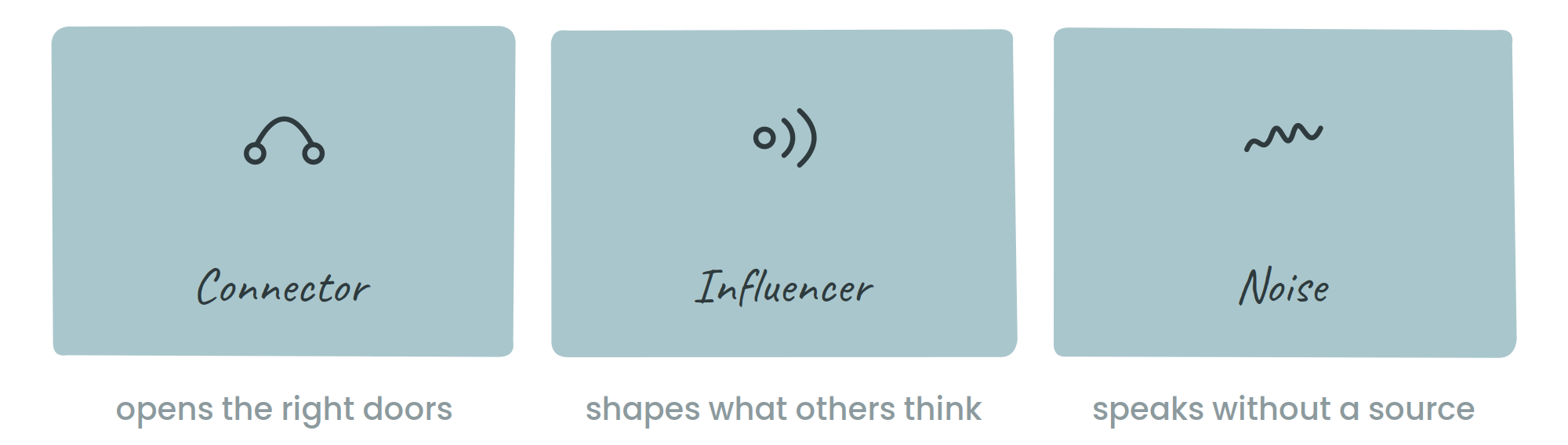
Laura scrolls the diagram. “That’s not all. Around these three categories orbit other kinds of people: connectors, influencers, and… noise.”
The door opens without a knock, Max and Léo slip in quietly, and Laura stops in mid-gesture.
Sophie pushes back her chair, her cheeks red. “This is Max, and this is Léo! Max runs the incubator I told you about, and Léo is a well-known serial entrepreneur. We met Max at NUMA, and Léo yesterday, at the hospital. Without their advice, what we’re building today would never have gotten off the ground.”
Léo waves a hand to stop the compliments, and Max greets the table with a nod.
Sophie points them to two free seats. “Welcome. Have a seat, Laura was explaining the different profiles of the people we’ll be interviewing…”
Léo takes the chair by the door, the one you take when you mean to leave again. Max makes himself at home, elbows on the table, and gives Laura an apologetic look for barging in mid-meeting. “Please, go on.”
The coffee goes cold in the cups.
Laura takes a breath and picks up the thread. “So, the connector is a person who, even without knowing the subject deeply, has the network to put us in touch with the right people. It’s thanks to them that we sometimes reach the most relevant experts or decision-makers.”
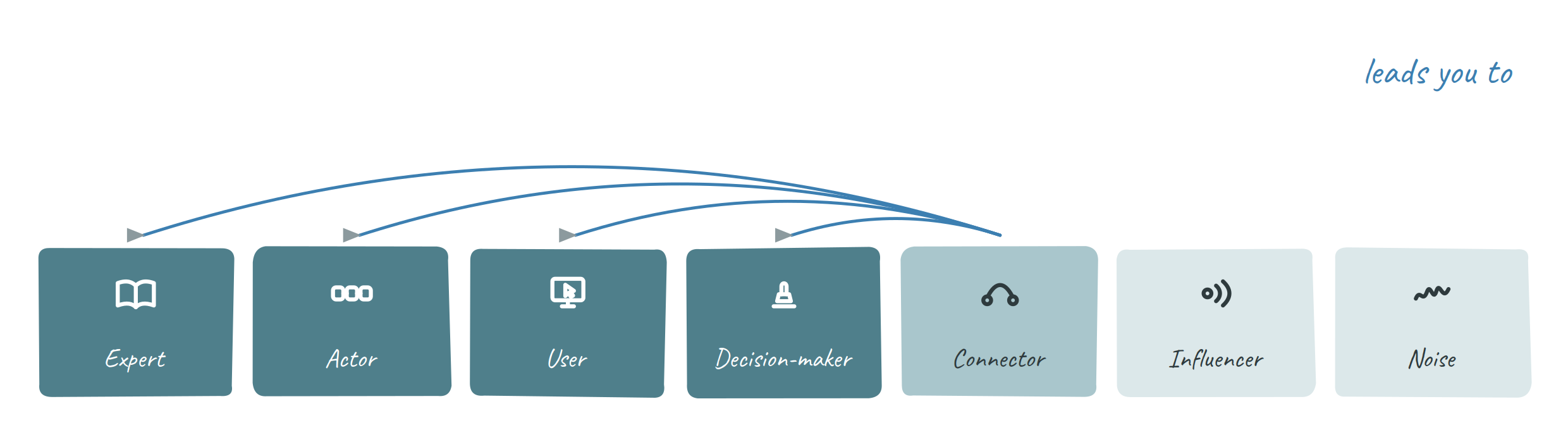
Paul finally takes his eyes off the whiteboard. Laura brings up the next box. “Then there’s the influencer. A master of soft power. Either the decision-makers recognize them, or they have the skills and the charisma to shape what those decision-makers think. A good influencer can tip a project one way or the other.”
Julien points his pen at the screen. “Power without the title, basically.”
Laura nods. “But influence doesn’t always come from official figures or striking personalities… Sometimes it’s simply close relationships that shape decisions: a trusted colleague, a friend, a family member. An offhand remark, a conviction stated with confidence at the right moment, and a choice tilts one way rather than the other. Influence is everywhere, often invisible, but always decisive.”
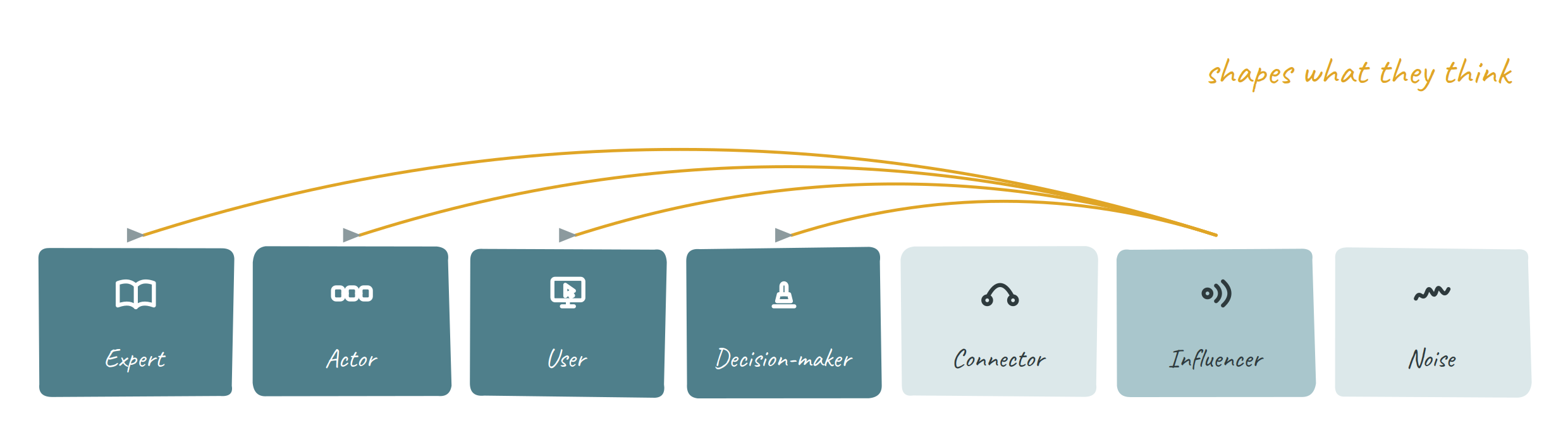
Laura fills her lungs. “And finally, noise.”
Julien makes a face. “Like the guy in the rumpled jacket last night? With his totalitarian regime?”
Laura shrugs one shoulder. “Maybe. Noise is the person who gives an opinion with no clear source and no precise justification. They often sow doubt or steer our investigation the wrong way. Careful, though: that doesn’t mean all noise should be ignored. Sometimes a poorly supported opinion reveals a sound intuition, or what the decision-makers believe. In those cases, you have to ask yourself, ‘Who could confirm this? Where’s the expert who can prove or disprove that idea?’”
Cassandre, who has been listening without a word since the start, sits up. She speaks quietly. “But… the same person can be all of those at once, depending on the context, right?”
Laura looks at her. “Exactly. Picture a well-known expert in graphics cards who starts giving his opinion on the marketing direction of a company that farms shrimp. His reputation can lend weight to his ideas, but is it really his field? Maybe. Maybe not. That’s why you always have to dig, and never take a claim at face value.”
At the word “shrimp,” Éric smiles in spite of himself.
Max, elbows still on the table, agrees. “That makes sense. And when the noise sounds interesting, we should always ask, ‘Which of our experts can confirm this?’ Without that check, it’s risky to rely on it.”
Éric pulls his laptop toward him, looks at his own screen, then at Laura’s diagram. “I don’t see why we separate ‘user’ and ‘actor.’”
Sophie hesitates for a second and gives her cup a quarter turn. “Think of a bike-share program. The person who hops on a bike to get to work is the user: she pedals, shifts gears, brakes; the bike is her direct tool. But every night, a crew crisscrosses the city to pump up the tires, check the brakes and swap out the batteries. Those technicians almost never ride the bikes, yet without them the service would stop. They’re actors, not users.”
Éric thinks about it. “Night crews. Never even crossed my mind.”
Sophie smiles. “Nobody does. In other words, a product sits inside a whole ecosystem: maintenance, logistics, supervision. The user comes in at the precise moment when the object does its job, and she’s the main actor; the other actors orbit around her to make that use possible.”
Éric’s face relaxes. “Thanks, Sophie.” Sophie looks over at Laura.
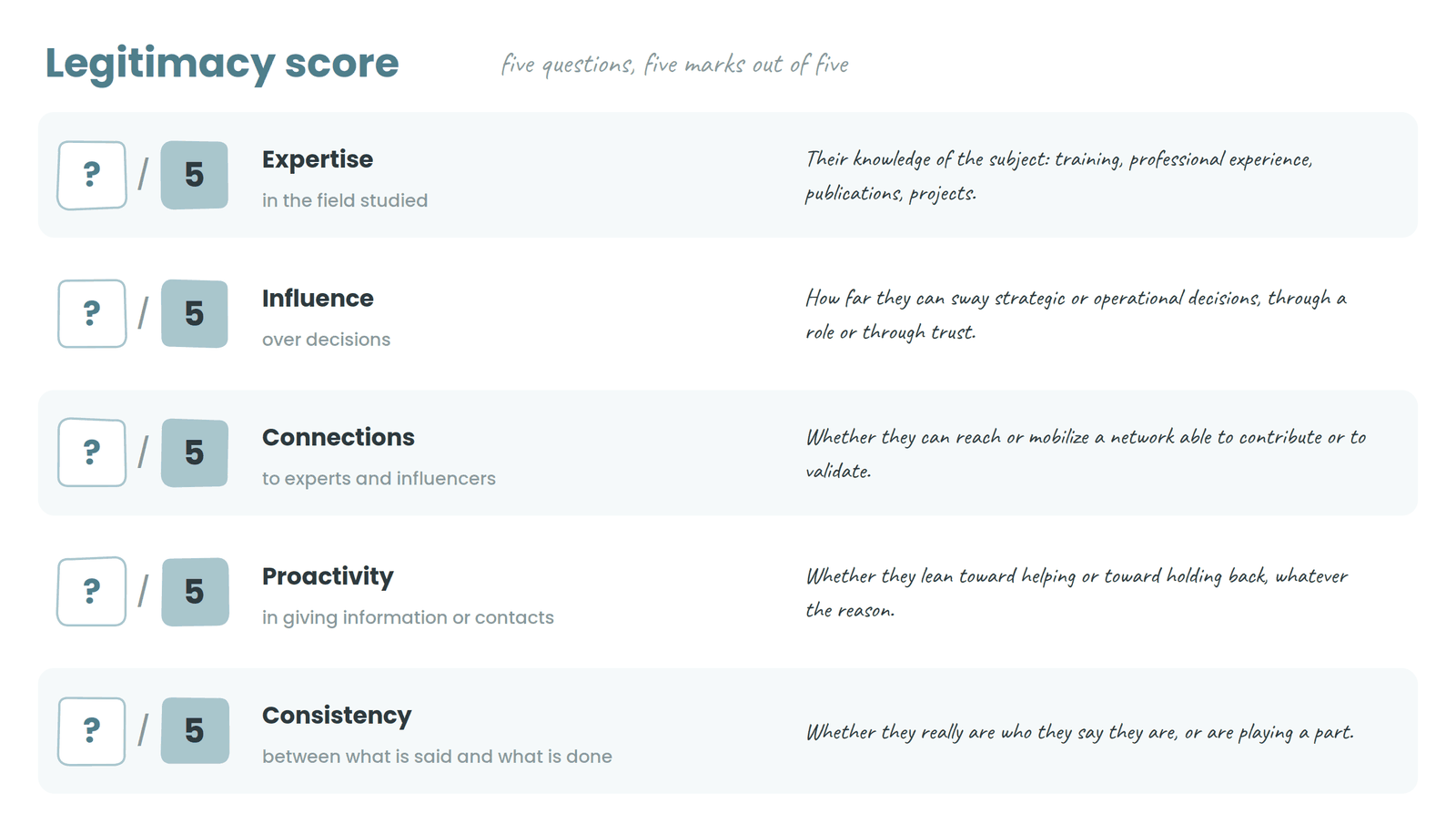
Laura waits for the silence to settle, then picks up where she left off. “Since expertise is our ultimate source of information, I suggest we first work out whether the person is an expert in their field. Do they have direct or practical knowledge of the problem we’re trying to solve? Have they actually faced the symptoms we’re investigating, or have they only heard about them?”
She goes to the whiteboard and writes the question under the morning’s gray smear.
Laura draws the number two. “Next, whether they can keep their commitments after the interview. To keep a promise, you need the power to keep it. A second essential point for our project is to identify the people we can use as levers for growth, in other words the real decision-makers. So it’s vital to work out whether the person truly has the power to act. Can they influence concrete decisions in their environment, or do they just pass on observations with no direct impact? For example, do they have the authority to allocate resources to solve a problem?”
Julien pushes the HR director’s card toward Laura. “And her? Open door or just a doormat?”
“That’s for her to tell us,” Laura says.
She writes the third line. “Finally, we have to assess whether this person can point us toward experts or toward people who matter even more. If they aren’t fully legitimate or in a position to decide, do they have the connections to put us in touch with the ones who are?”
Laura steps back to look at the three lines together, the way you check that a triangle stands up.
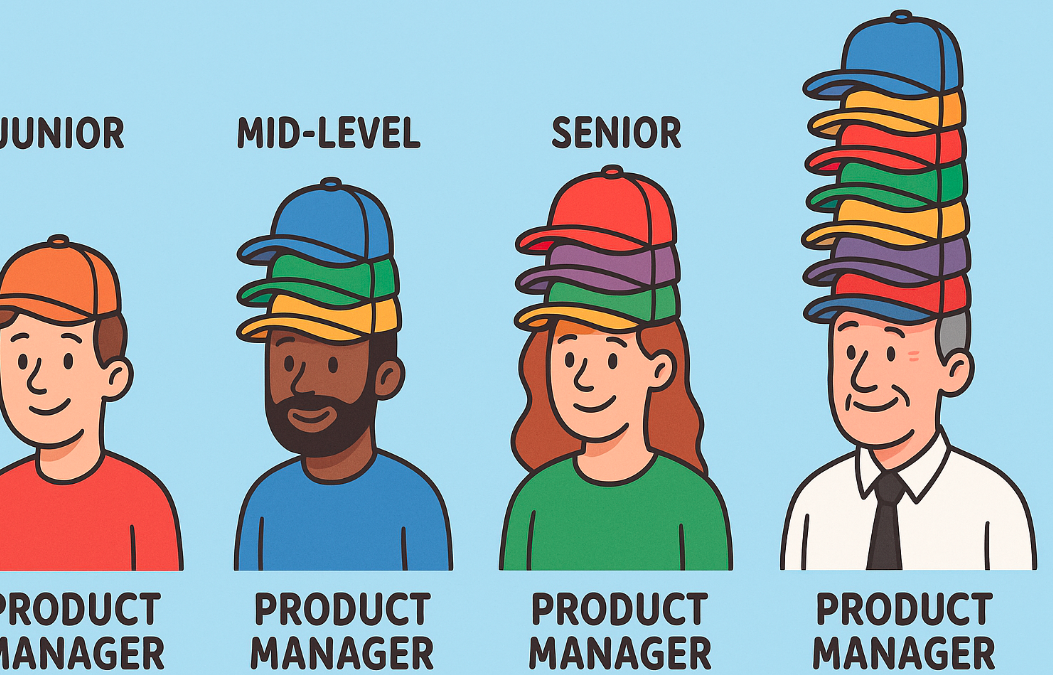
Marc has taken some colored markers from the marker jar and, for the last ten minutes, while the others followed the screen, he has been drawing on the back of a printout folded in half against his knee. He unfolds it, smooths it flat with his palm and turns it toward Laura. “So we agree that any person can wear the hats of Expert, Actor, User, Decision-maker, Connector, Influencer or even Noise, one after another? And that behind each hat, we attach specific subjects. For example, someone can be an expert on subject A but give an opinion with no standing on subject X. Is that right?”
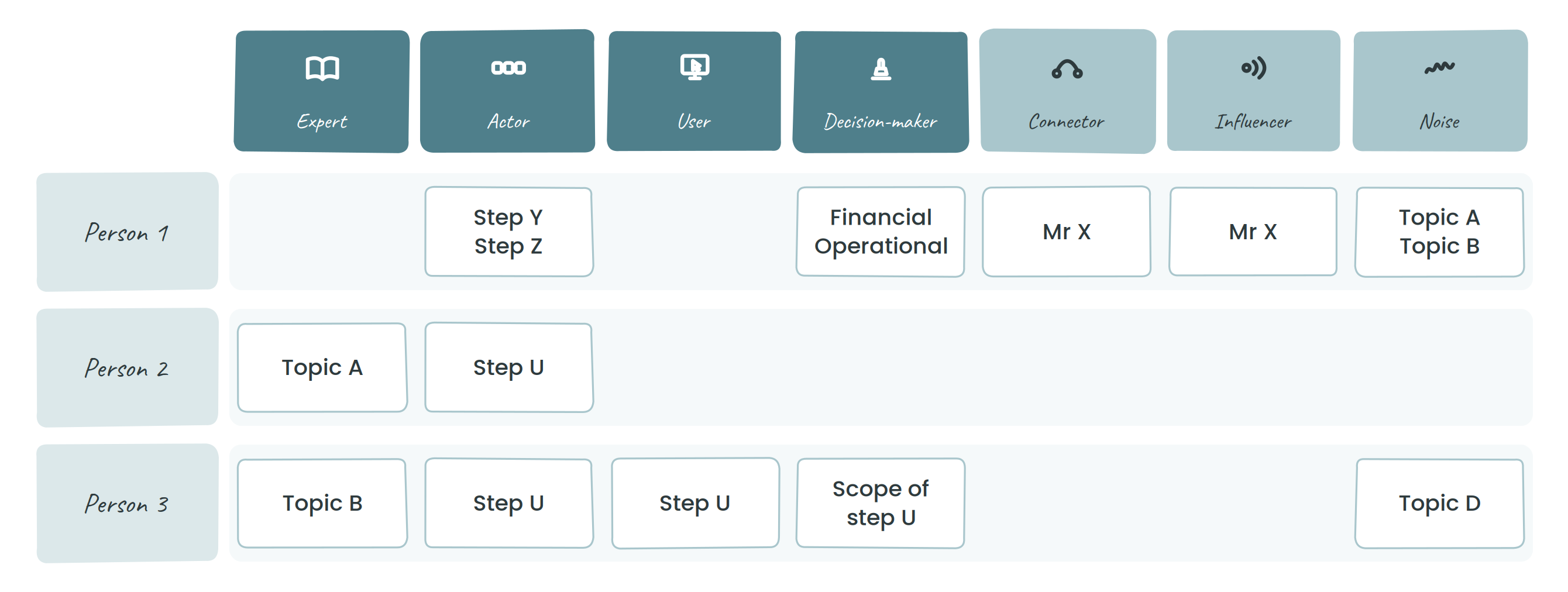
Laura runs her fingers along the edge of the table before she answers. “That’s exactly it.”
Marc grimaces. “Except I’m not pulling out my grid in the middle of an interview.”
Laura takes a sheet of cardstock out of her notebook. “Now that everyone shares this way of reading people, how do we put it to work in our interviews? I have a very simple scorecard.”
Julien stops writing. “Like a report card?”
Laura unrolls the sheet to show a clear, colorful table. “If you like. It isn’t perfect, but it can serve as a compass. You’ll find three columns: information, influence, introductions.”
While Julien copies it into his notebook, Laura goes on. “If you find that someone holds a lot of information but has no influence, you adjust your expectations right away. You don’t count on them to open doors; instead you draw on their factual knowledge, then you look elsewhere for the connector who can unlock the next step. This little matrix saves time and avoids misunderstandings.”
The silence that follows lasts a little too long. Julien looks at the gray smear. Nine months of cash: that’s the figure he didn’t write on the board.
Marc drops his marker and picks up his screwdriver again, speaking with his eyes on it. “Laura, everything you’re putting forward is really impressive! We get that we have to step back and look at the need, but we can’t see the link between your scorecard and our day-to-day work. We live for electronics, AI, neuroscience… Fine, let’s talk to people to check that what we design is useful, but when you start on experts, influencers, actors, you’re taking it pretty far! I have a feeling we won’t touch a circuit for months, while the cash is melting away. That scares me a little.”
Cassandre speaks quietly, her hands flat on the table again. “I’m guessing the interview questions will be efficient and straight to the point, though. What really matters is checking that our headset actually meets the need, right?”
Éric has opened his laptop again, and the screen is still on the code repository he left this morning, with his branch in progress and the three commits he pushed yesterday. “Aren’t we drifting into a V-model? In Scrum, you surface needs and uses by building and shipping the product as fast as possible, starting with bare-bones versions. This feels like we’re launching into an old-school study… We ship every sprint, in small pieces.”
Marc rolls the screwdriver under his palm. “Like etching a circuit board before you’ve tested the schematic: spec everything up front, code it all next, and find out at delivery that nobody wants it.”
Laura picks up the sheet of cardstock and freezes for a moment, one corner folded between two fingers. She opens her mouth, then closes it.
Max raises his hand. “May I, Laura?” She nods.
Max leaves his chair for the whiteboard and stands under the three questions. “The interviews won’t deliver every answer at once, but they’ll make sure your work actually serves someone. A single well-crafted sales pitch, aimed at the right target, can suddenly make what you’ve already built shine. This isn’t about building first and checking afterward whether it suits anyone, it’s about identifying a precise need that will let you sell!”
Éric folds his arms. “And Scrum, then?”
Max counts on his fingers. “Scrum works beautifully… once the destination is mapped out. In a large corporation placing an internal order, for example, rebuilding an HR portal or rolling out an AI module in a factory, the vision comes from the top; the need is settled, and so is the budget. Same thing when you bring in a floor full of contractors: you hand them a list of business objectives, they run their sprints, the burndown chart is spotless, delivery lands on schedule. That’s where Scrum shines: it cuts technical risk, smooths collaboration, locks in the pace.”
Éric gives a short laugh. “The spotless burndown, I know it well: the curve of remaining tasks that hits zero right on delivery day.”
Max taps the board with a finger. “But in your case, the need isn’t set in stone. You aren’t selling a feature an internal department is waiting for; you’re looking first for the precise pain to relieve for a customer who’s still anonymous. And Scrum won’t discover that for you.”
Éric looks down at his screen. Max comes back to his seat. “Without that exploration step (interviews, problem validation, alignment on a real opportunity), your backlog turns into a task mill: you can run ten perfect sprints and ship a product nobody was waiting for. Put another way, Scrum is the ideal work light for fitting out the cave… but it doesn’t replace the flashlight you need first to find the right cave. You aren’t in a V-model, you’ll see, it’s a question of patience.”
Éric sighs. “I get the idea, but we aren’t entrepreneurs; we’re employees. If we don’t ship something useful fast, our jobs are on the line!”
Julien rubs the back of his neck. He hasn’t told anyone at this table about the house he sold in secret.
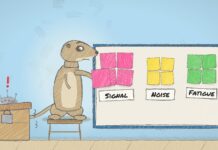
Max lowers his voice. “Trust me a little longer. Validating the value before piling up lines of code is also a way of securing your jobs. In lean management, the tool we’re reaching for is called the andon: a visual or audible signal that lets any operator stop the line as soon as they spot an anomaly. Production freezes, you analyze the cause, you fix it, and only then do you restart. The goal is clear: keep errors from spreading, along with the waste that follows.”
Marc frowns. “Any operator? Even an intern?”
Max nods. “Any of them. We’re doing the same thing here. Pausing development keeps you from coding in the wrong direction; better to wait and write the right feature tomorrow than to maintain or rewrite a module that’s pointed the wrong way. Simply put, we’re buying you time so that, once the vision is clear, everything you produce adds value instead of fixing or maintaining code nobody uses.”
Marc sets the screwdriver down on his grid of hats, next to the cup where his coffee went cold a long time ago, and doesn’t pick it up again.
Max folds his arms. “I’ve done it before: I stopped a project for nine full months. Yes, I saw resignations, doubts, but when we started up again, the impact was ten times greater. The real cost isn’t the downtime; it’s carrying on blindly down a road that leads nowhere.”
By the door, Léo slips his phone into his pocket; in front of Laura, the HR director’s card hasn’t moved.
On Éric’s laptop, his branch in progress is still on the screen. He half closes the lid, the way he did at the start of the meeting.
Éric then turns to Laura. “Sorry for the interruption. We’re listening.”







 CC BY-SA 4.0